
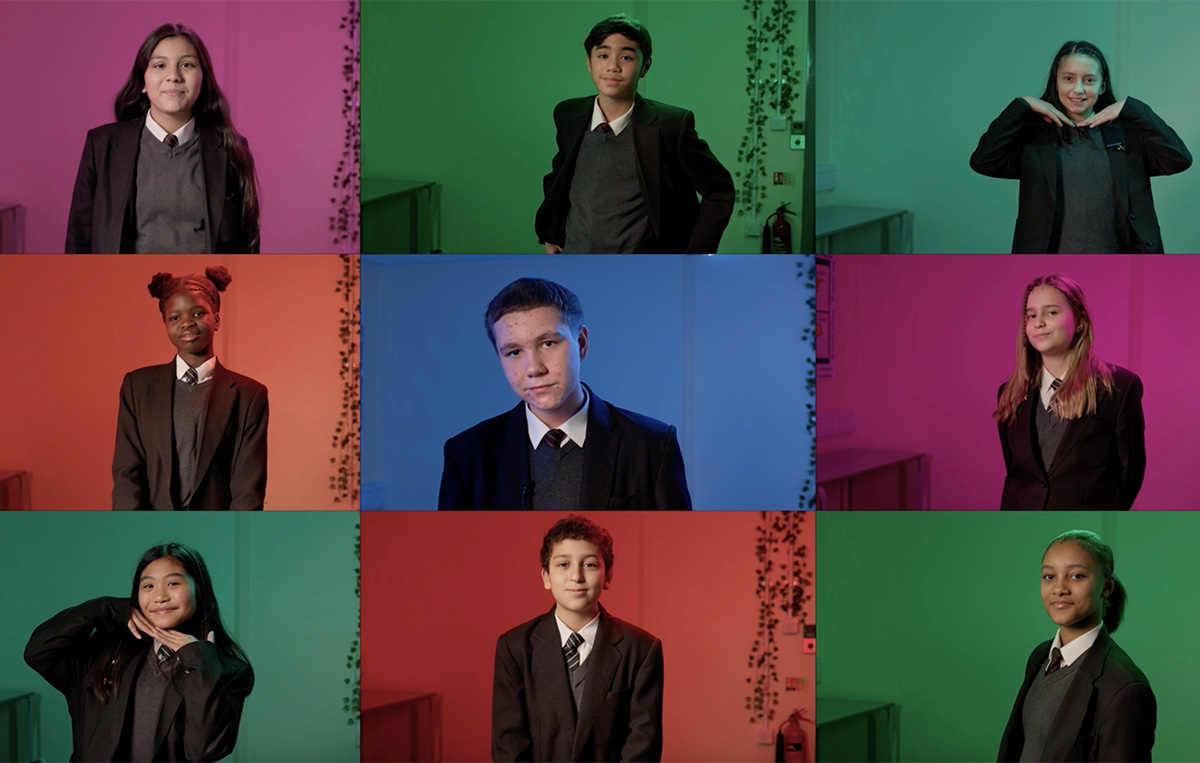
Newsworks teamed up with school children to find out their thoughts on fake news — watch the video below to find out what they said
Yesterday, education secretary Bridget Phillipson announced long overdue changes to the national curriculum — including, crucially, lessons on how to spot fake news and misinformation.
This is a welcome move. Fake news isn’t just a political talking point; it’s a growing threat that affects young people’s understanding of the world, their mental health, and even their trust in each other.
Young people are still developing critical thinking and media literacy skills. In a world flooded with information — some real, but sadly, much of it not — access to fact-based, accountable and regulated journalism has never been more important.
That’s true for everyone, of course, but for young people, the stakes are higher. The impact of misinformation on wellbeing, the spread of online bullying, and the growing culture of cynicism all shows how urgent this issue is.
We’ve all heard the horror stories when things spiral out of control.
Newsworks research reveals that 72% of 16–24-year-olds are worried about the rise of fake news. That’s why we teamed up with the Go Live Theatre Project earlier this year for a pilot in a London secondary school – using the hit musical ‘Wicked’ as a creative way to explore how misinformation spreads and how to stop it.
After a lively workshop with Year 7 and Year 9 students, we spoke to some of them about what they’d learned. Their enthusiasm — and their insights — were inspiring.
Contrary to the myth that young people don’t engage with the news, nine in ten read news online, with most consuming at least six articles a day. They tend to find stories through social, but encouragingly, our research shows that news brand content is 85% more trusted than social media.
These are positive signs. But we can’t afford to be complacent. The rise of AI, deepfakes, and ever-changing media habits means the landscape is shifting faster than ever. We need to make sure young people aren’t just passive consumers of content, but confident, informed participants in it.
After all, these same young people will one day be the journalists, editors and innovators shaping the next generation of our newsrooms. They’ll decide what trustworthy journalism looks like – and how it survives.
That’s an exciting future, but one we must nurture carefully. If not, we risk a world where truth is optional, and trust disappears.
And that’s a future none of us can afford.