
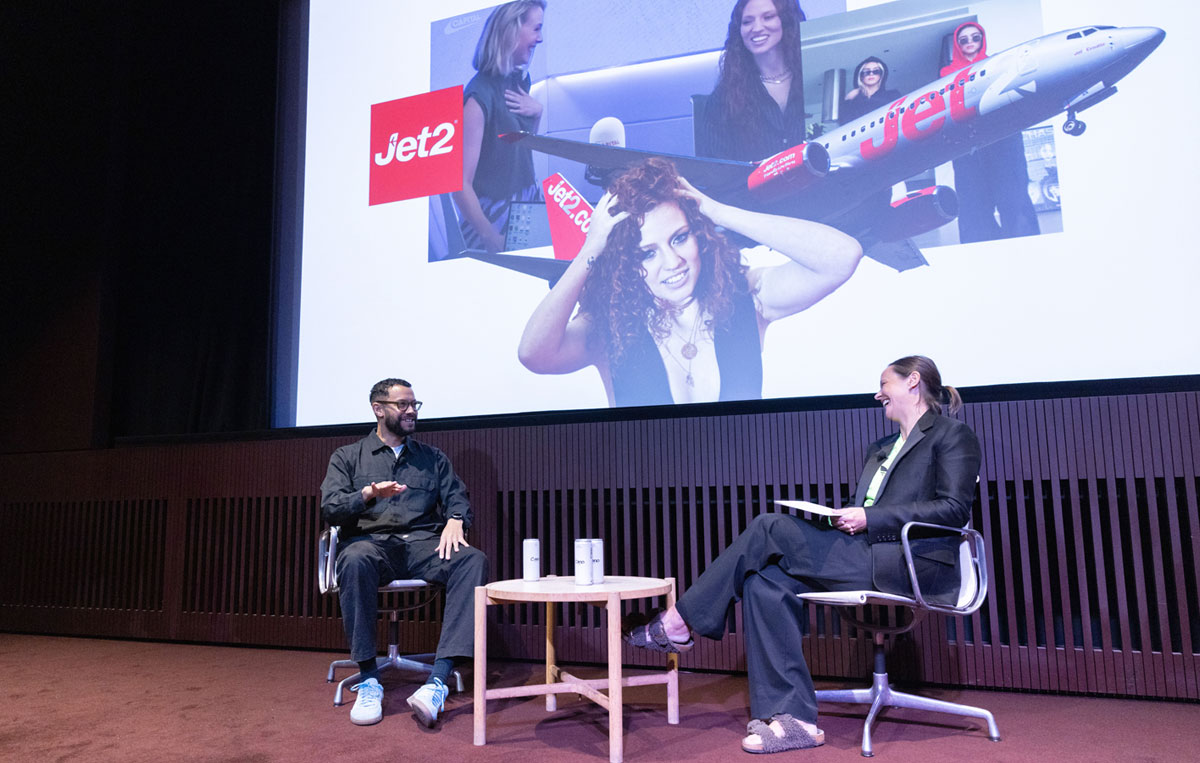
Leading brands and agencies gathered at the Tate Modern in London to hear top figures from the Guardian state their ambition to lead the debate on creativity in ads
The Guardian also published its latest research report ‘FAME’ (Fewer ads, more effective). The research identified the key things which were influencing readers in being more responsive to digital advertising.
These measures were combined into “the FAME index” – a simple way of gauging which of the low, medium and heavy ad environments are most effective. Download a copy of the FAME report here.
Anna Bateson, chief executive, Guardian Media Group, said: “Creativity is in our DNA, from the things we make — like the relaunch of our Guardian app — to the words and images on our pages. It’s more than just how something looks; it’s how we express it. How people interact with, think about, and experience our work.
“Our creativity gives us our stories, journalism, and messages. While our media ensures they travel, reaching the right people, in the right places, at the right moments.”
Imogen Fox, global chief advertising officer, Guardian Media Group, said: “We want to lead the way on creativity in advertising. Advertising is at its most effective when you put the user at the heart of it. That means considering culture, creativity and context.
“Bombarding users with too many or unattractive ads is an own goal. Our FAME research shows that fewer, better ads is a better approach.”
James Fleetham, director of advertising, Guardian Media Group, said: “The idea that a tiny box, crammed onto a cluttered page, can magically make someone buy something on the spot is flawed.
“What good advertising really does is increase the chance someone will buy your brand in the future. The job is to get people to like you. And the way you do that is simple, give them advertising they enjoy.”