
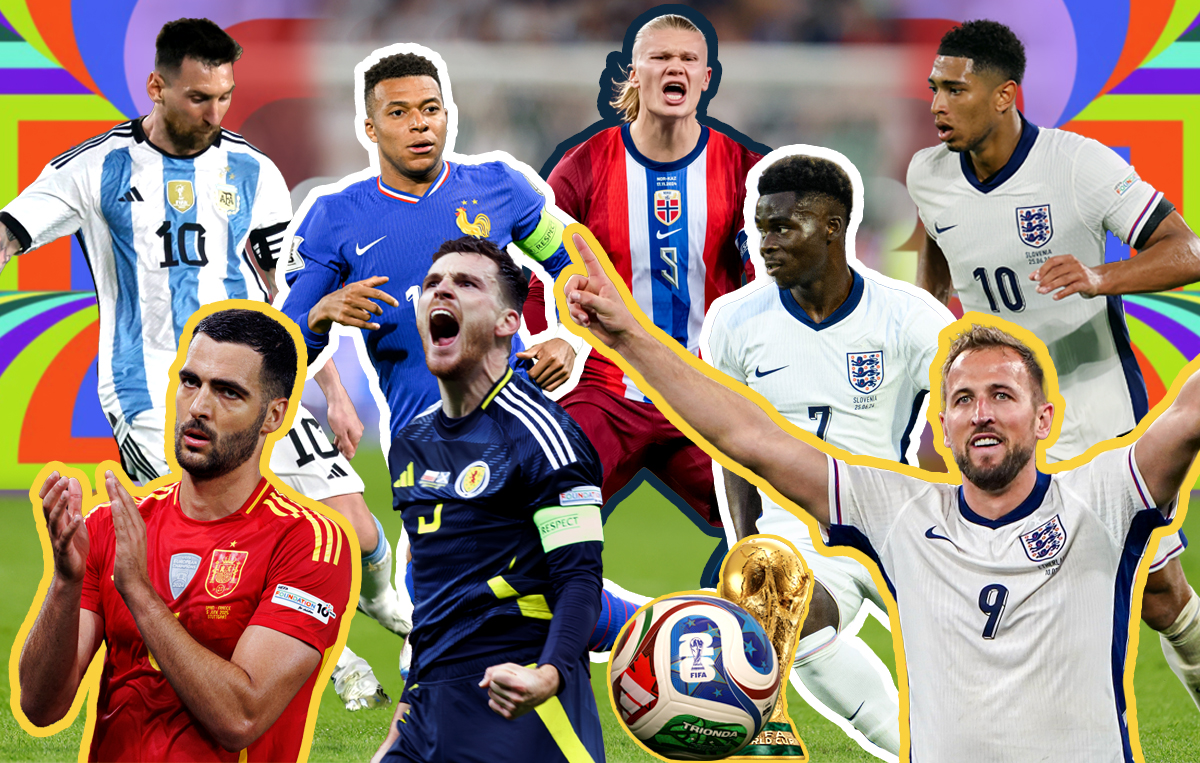
News brands were the beating heart of the World Cup, tracking every step of England and Scotland’s run in real time through dynamic and innovative coverage. Here’s how they did it
A nostalgic start and records reached
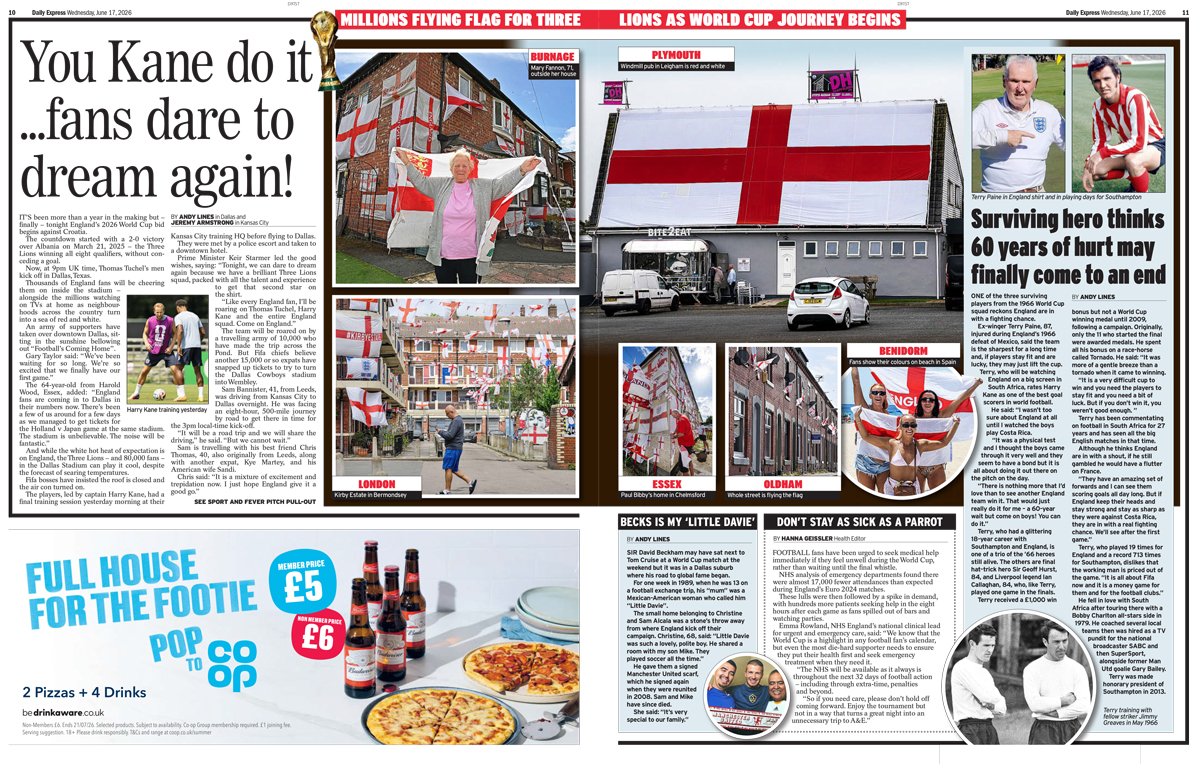
The tournament came with its own sense of history from the start: 60 years since England lifted the Jules Rimet trophy at Wembley. While reporters caught up with 1966 champion Sir Geoff Hurst about what a win could mean in 2026, others dove into the new rules that would make shape this summer’s talking points.
Harry Kane’s historic march into the record books made all the headlines in England’s opening win against Croatia. The Standard reported he equalled Sir David Beckham’s 115 international caps and goals in three separate World Cups, plus Gary Lineker’s record of 10 World Cup goals. His retaken penalty made him the all-time record holder for non-shootout penalties scored at a World Cup.
Comparative youngster Jude Bellingham had his own record-breaking night. As well as contributing to England’s electrifying 4-2 win, he became the youngest European player to feature at four major tournaments.
Highs and Low
Up in Boston, it was party time for a Tartan Army at its first World Cup since 1998. The good times kept rolling when Scotland beat Haiti 1-0 in its opening match, with fans back home keeping up with the score in the middle of the night. Fans in Massachusetts made an immediate name for themselves by painting the town blue and earning Bostonians’ immediate affection. The high point was one to savour.
The lows for England started with an away-day mishap, according to a Mirror report. On transit from West Palm Beach to Kansas City, thousands of pounds’ worth of equipment (and a couple of stuffed lions) were stolen before the Croatia opener. 26 items were recovered after police charged two men; England’s barnstorming start meant the troublesome start was history.
However, deep-lying Ghana forced England into a goalless second-game draw and some early soul searching. Former referee Mark Halsey told SunSport Ezri Konsa was “incredibly lucky” not to concede a penalty. The Mirror put the frustration into numbers: 80% possession, 347 passes, no shot on target until almost an hour in. In marking England’s traditional mid-group draw, the Guardian warned that “France and Spain would have scored” from the same gaps England left exposed. Although it ended in victory, the Three Lions’ 2-0 win against Panama did little to lift belief.
After a tricky 1-0 loss against Morocco and a 3-0 drubbing against Brazil, Scotland had to wait for all the other groups to play their final matches to find out if it had made the cut for the second round. Sadly not; with Scotland out and England unconvincing, the home nations’ fate was far from certain.
@thetelegraph After colleagues noticed Francis Dearnley's normally bookish demeanour in the office disintegrate when Harry Kane scored the winner against DR Congo, they decided there was only one sensible course of action… Wire him up to medical equipment “in the name of science” and send him to a pub for the England-Mexico match. How did his body handle one of the most magical – and agonising – 110 minutes in English football history? Find out at the linked article
♬ original sound – The Telegraph
On the up
England’s round of 32 opponent was surprise underdog DR Congo, which England only defeated after a series of incredible saves by goalkeeper Lionel Mpasi.
Then Mexico City — a round of 16 fixture that turned into as much a story about kick-off time as it was about football. Originally slated for 1am on Monday morning UK time, it was then going to be played at 7pm on Sunday to dodge severe thunderstorms later in the day. Then the plan was dropped — with now-former prime minister Keir Starmer personally intervening, according to the Guardian (whose colour piece on how fans back in the UK were dealing with the timezone tango is also worth a read). Finally, lo and behold, the inclement weather barrelled in, pushing the game back to 2am. Bleary-eyed or not, the nation tuned in anyway — including into news brands.
Reports hailed the resultant 3-2 thriller at the Azteca as one of England’s all-time great World Cup wins. Social media stories clipped up Harry Kane’s breathless interview, while The Telegraph wired up reporter Francis Dearnley to medical equipment and sent him to a pub to watch the match, tracking his vitals through the drama in real time.
Nor-way through for Haaland
The momentum was well and truly up by the time England squared up to quarter-finalists Norway. The Daily Mail spoke to one excited England fan’s message acknowledging the inevitable Erling Haaland showdown.
It wasn’t just news brand readers who were getting their fill of atmosphere, predictions and analysis in the lead up to the quarter final. Whatever their title of choice, news brand listeners were also getting their long-form fix beyond the column inches and reels with The Times’ ‘The Game’, the Guardian’s ‘World Cup Daily’, Reach’s ‘All Out Football’ and The Independent’s ‘Copa Independent’ — just to name a few.
In the end, England despatched Norway in extra-time, with Haaland defending Jude Bellingham in a video picked up by the Daily Star. The tension then ratcheted up another notch once it was confirmed historic rivals Argentina would be England’s opponents in the semis. Cue plenty of jangling nerves across the country.
Of course, it wasn’t meant to be. Anthony Gordon’s second-half opener had England on course for a first final since 1966. Then Enzo Fernandez, then a stoppage-time Lautaro Martinez header — Messi twice the provider — and it was gone.
Guardian Sport caught the aftermath at a London screening. One fan, barely holding it together, said: “I’ve only just stopped crying.”
Chief football writer Daniel Storey from The i Paper used his reel to turn the loss into something bigger — “the game’s determination to eat itself in the name of big revenue, not to mention pushing the physical wellbeing of players like some mad Buckaroo experiment, is unmatched,” pointing straight at Gianni Infantino’s admission FIFA’s already eyeing a 64-team World Cup. Then the follow-up: a photo essay marking 60 years of England pain — semi-final losses, red cards, early exits, 2026 duly filed alongside them. The wait, Getty’s Julian Ridgway noted, now runs to 64.
A tournament in front (and back) pages
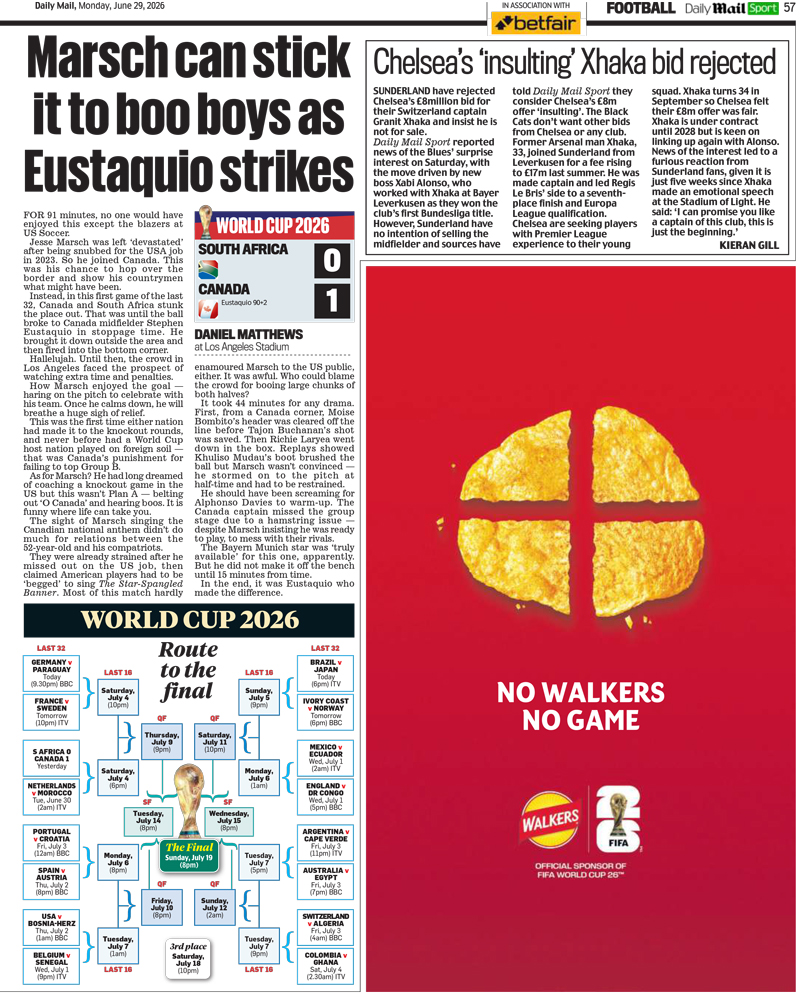
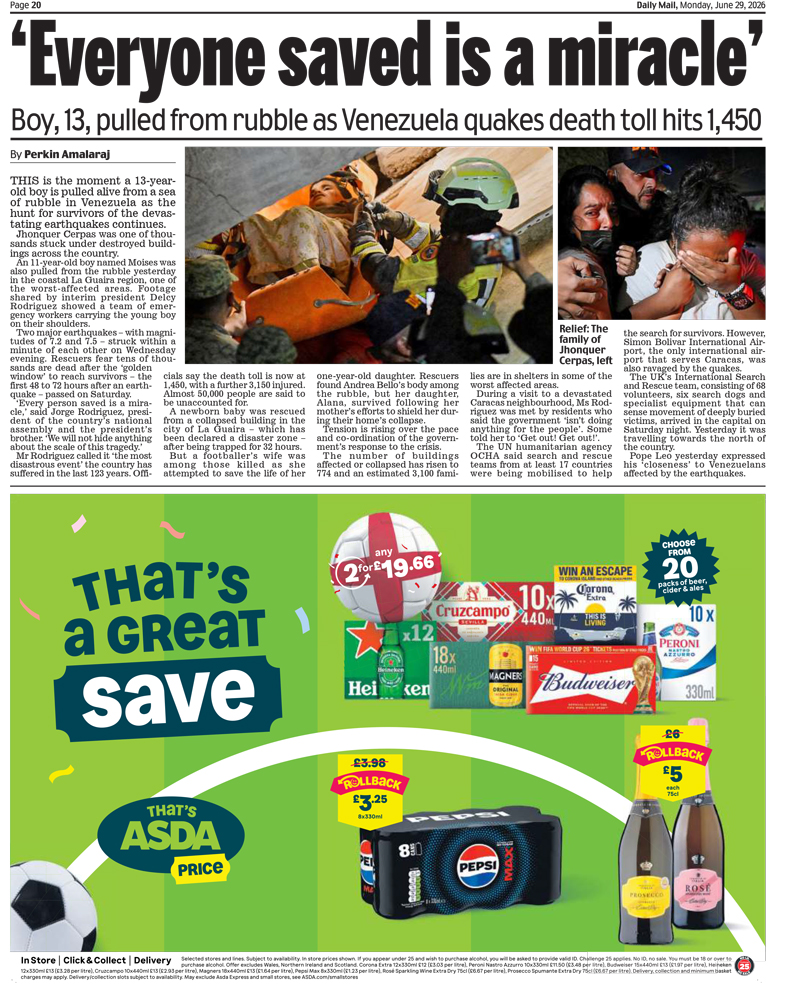
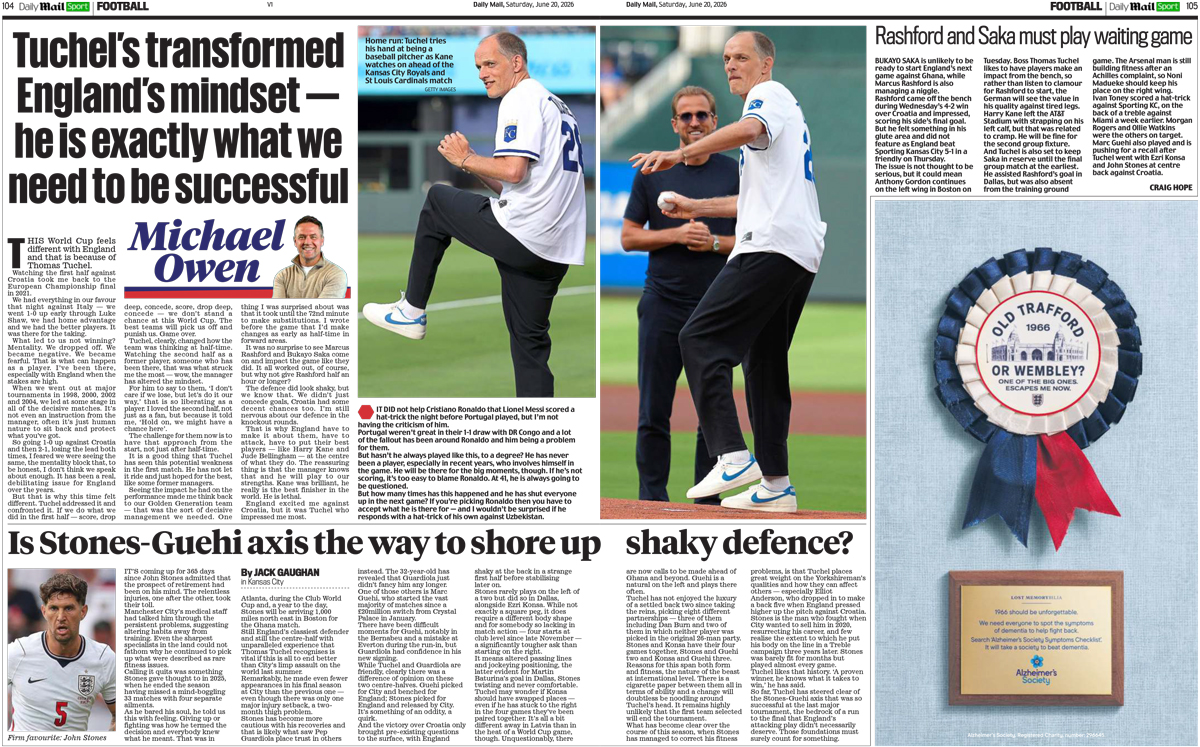
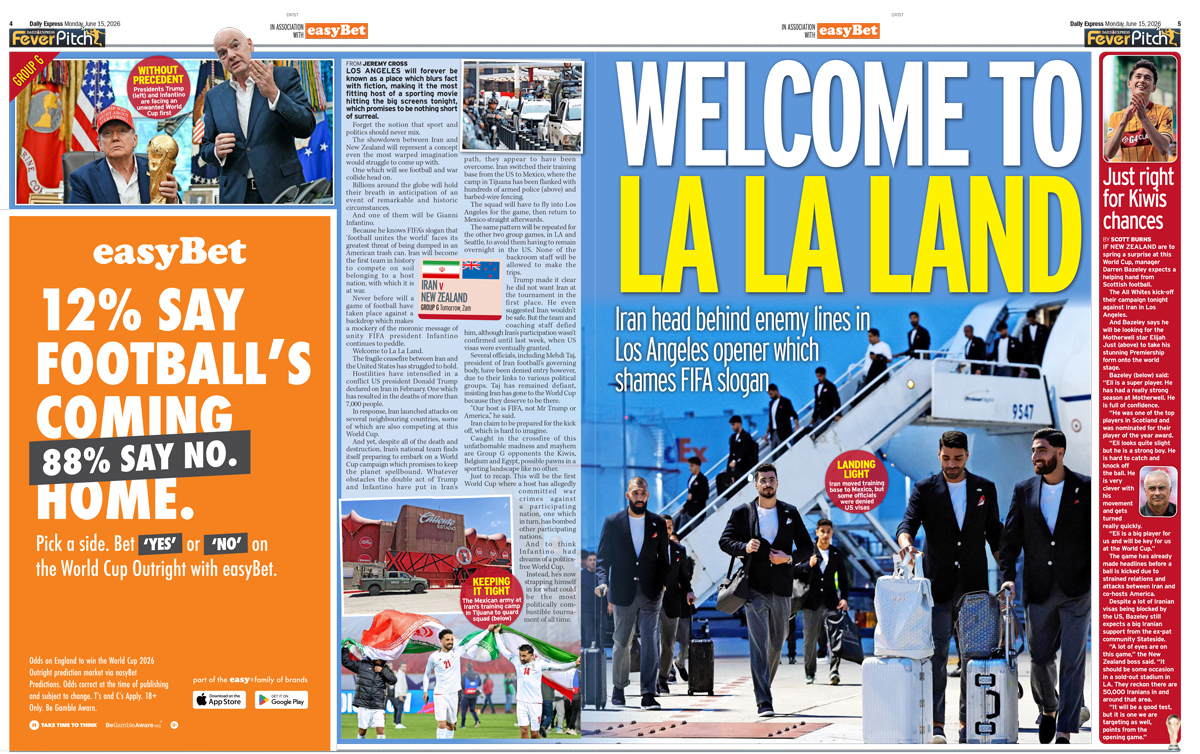
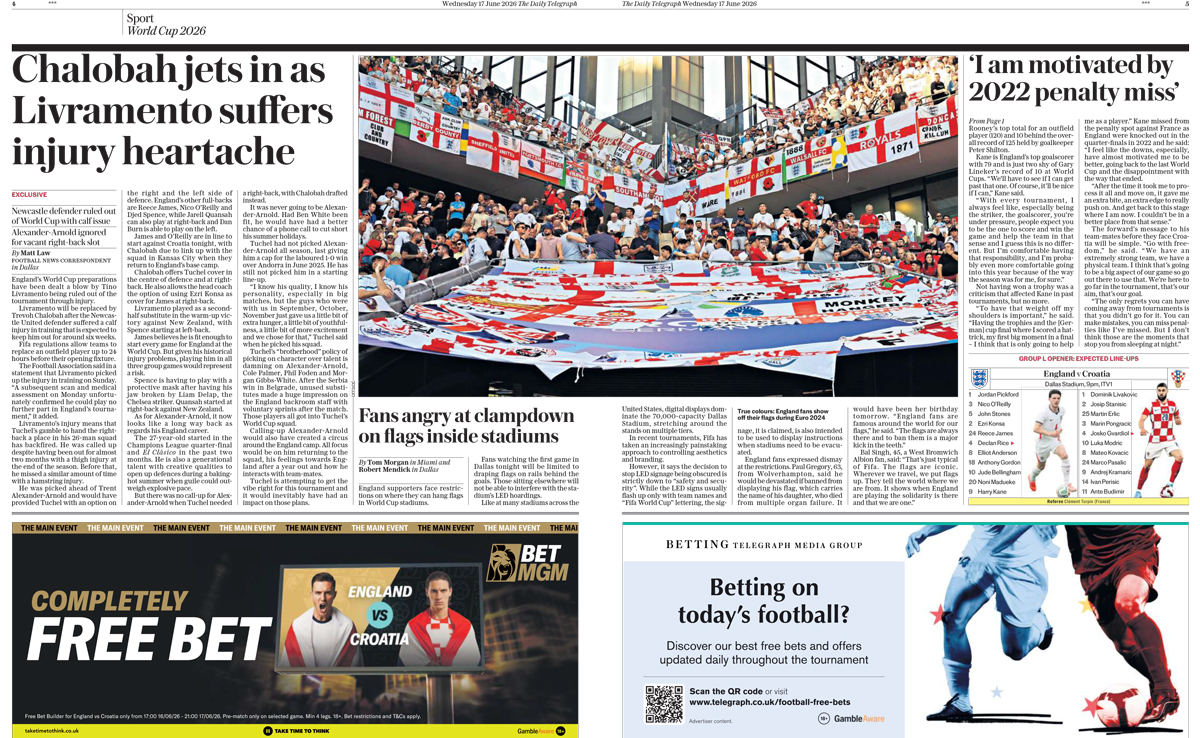
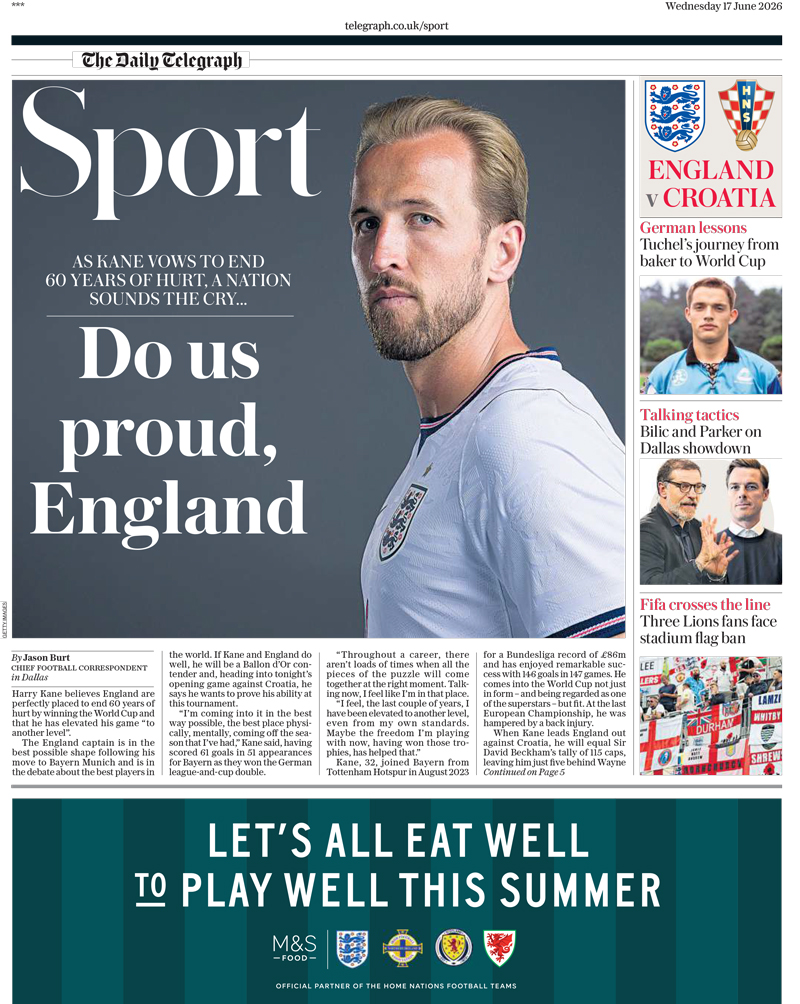
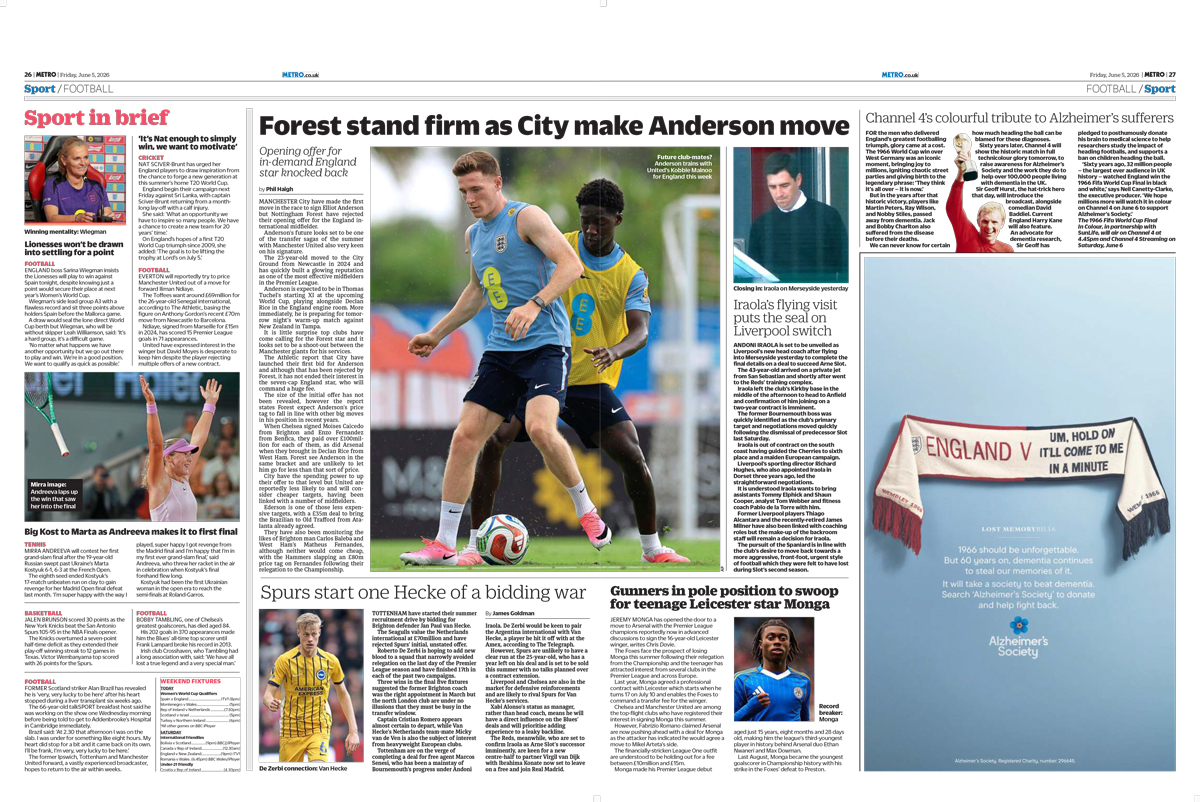
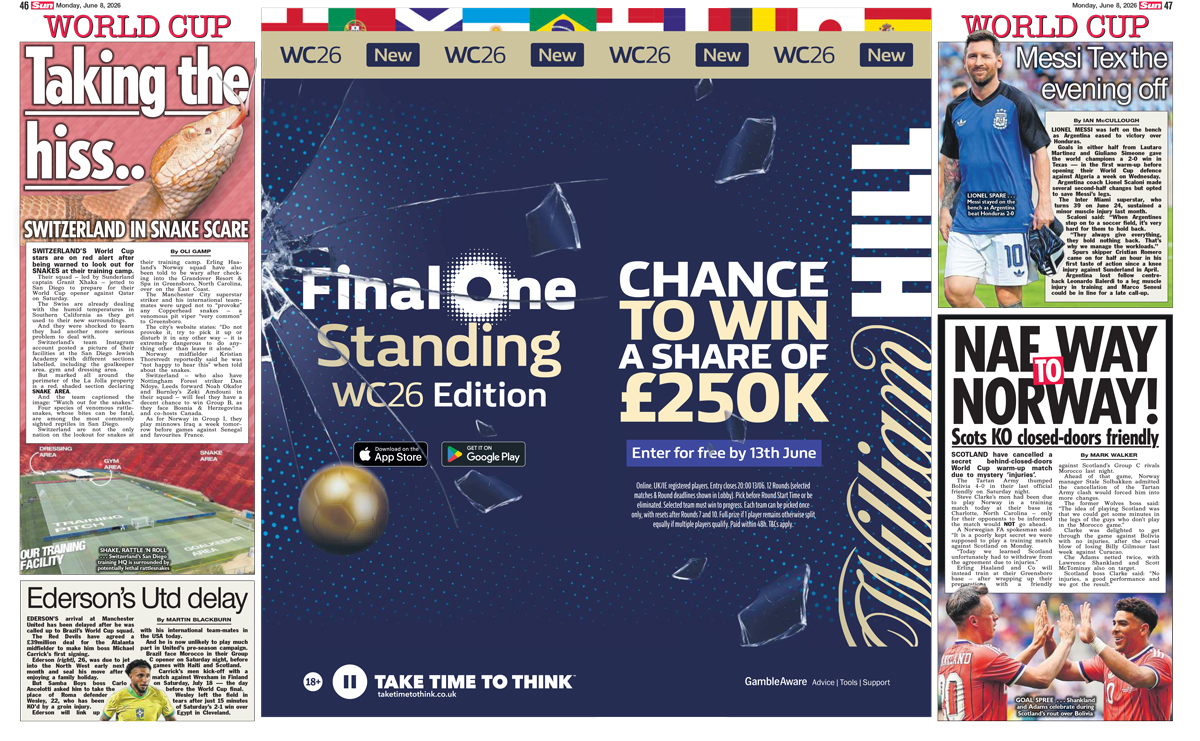
While news brands bring their renowned reporting to all platforms, it’s the print front pages that remain the most potent example of news brands’ daily agenda-setting power. During the World Cup, both front and back pages were used to map five weeks of football fever sweeping across the nation.
Brand activity
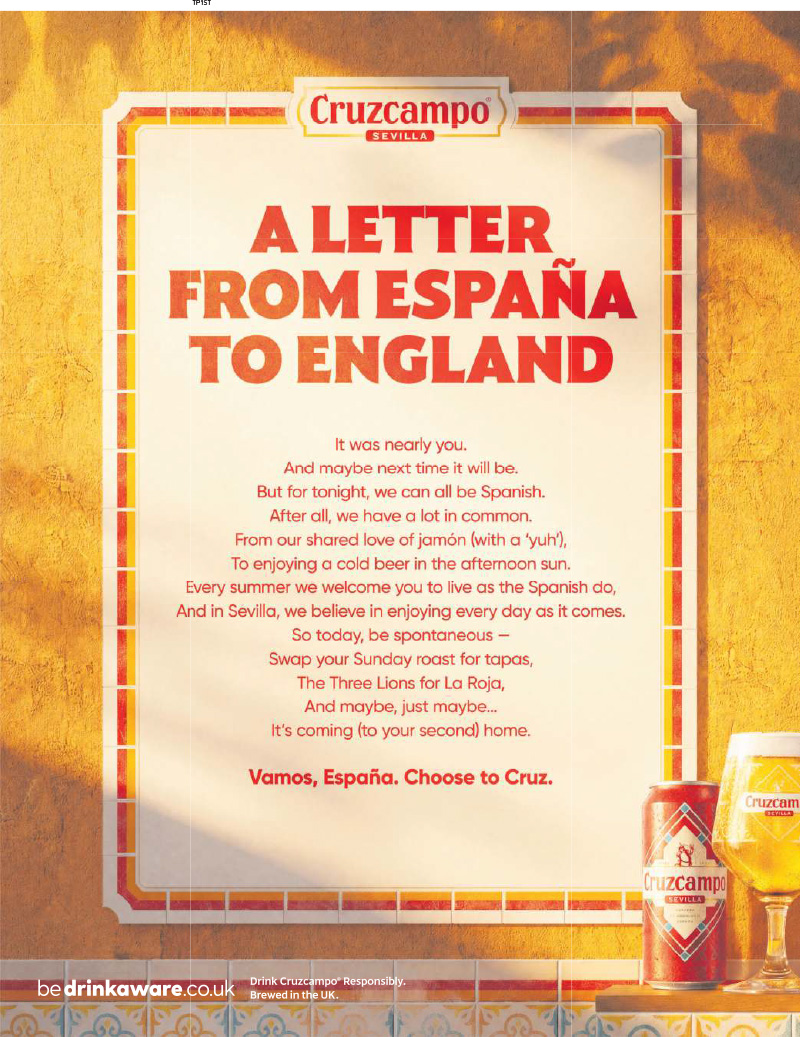
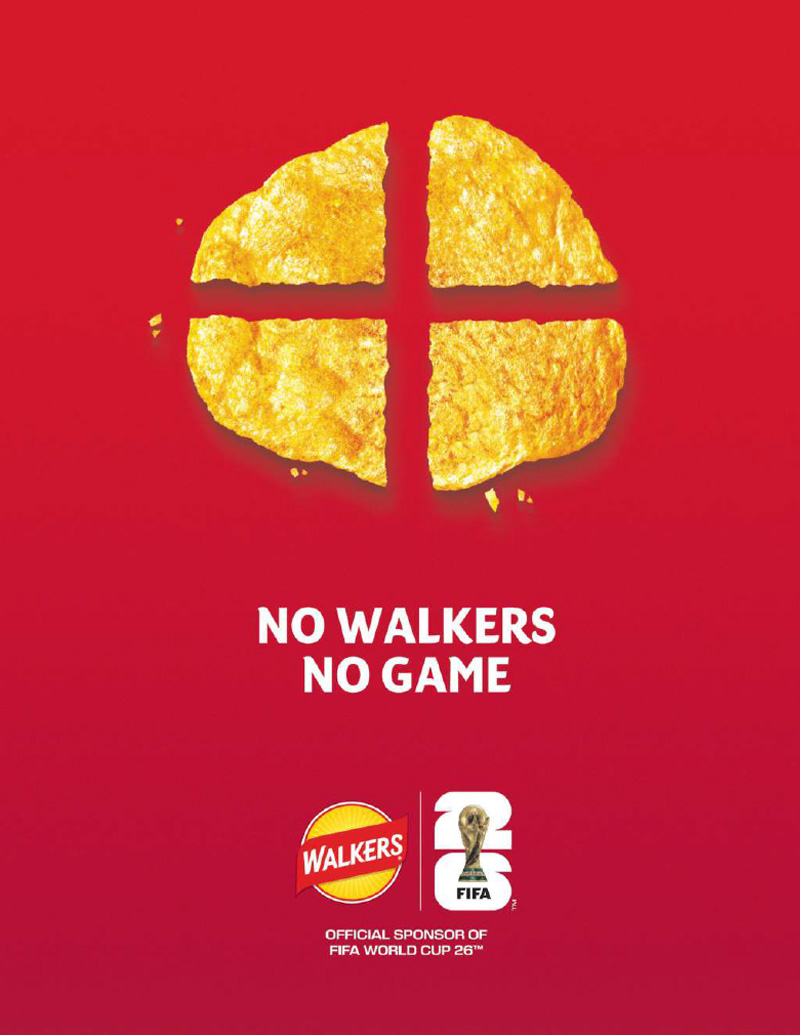
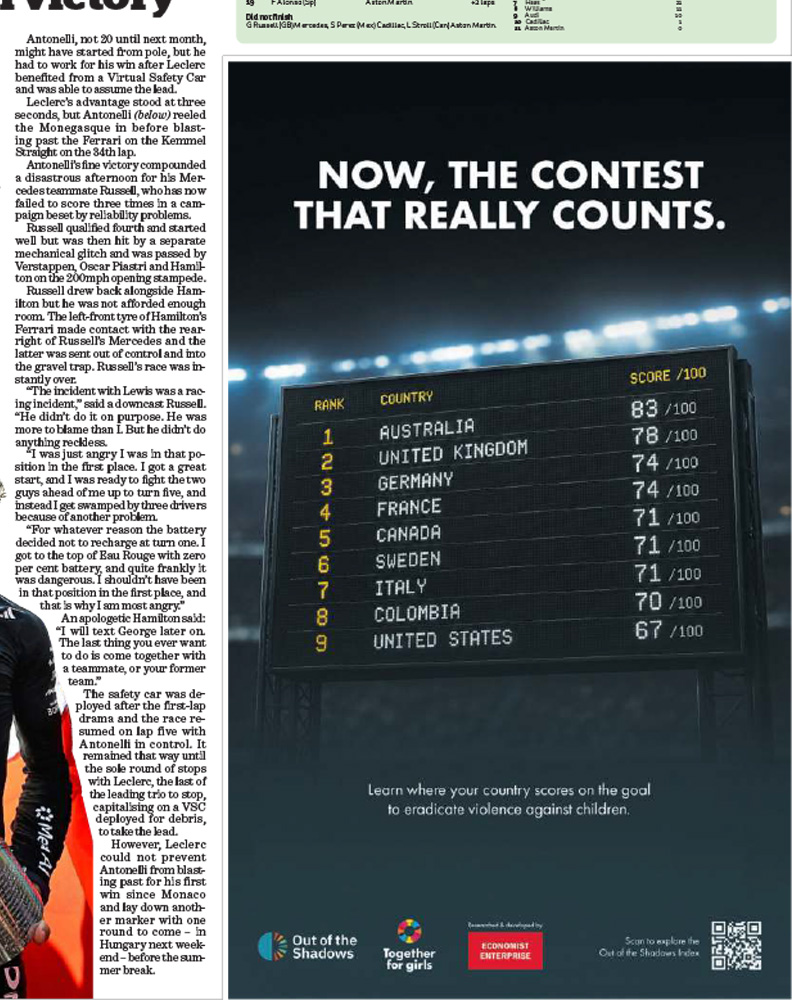
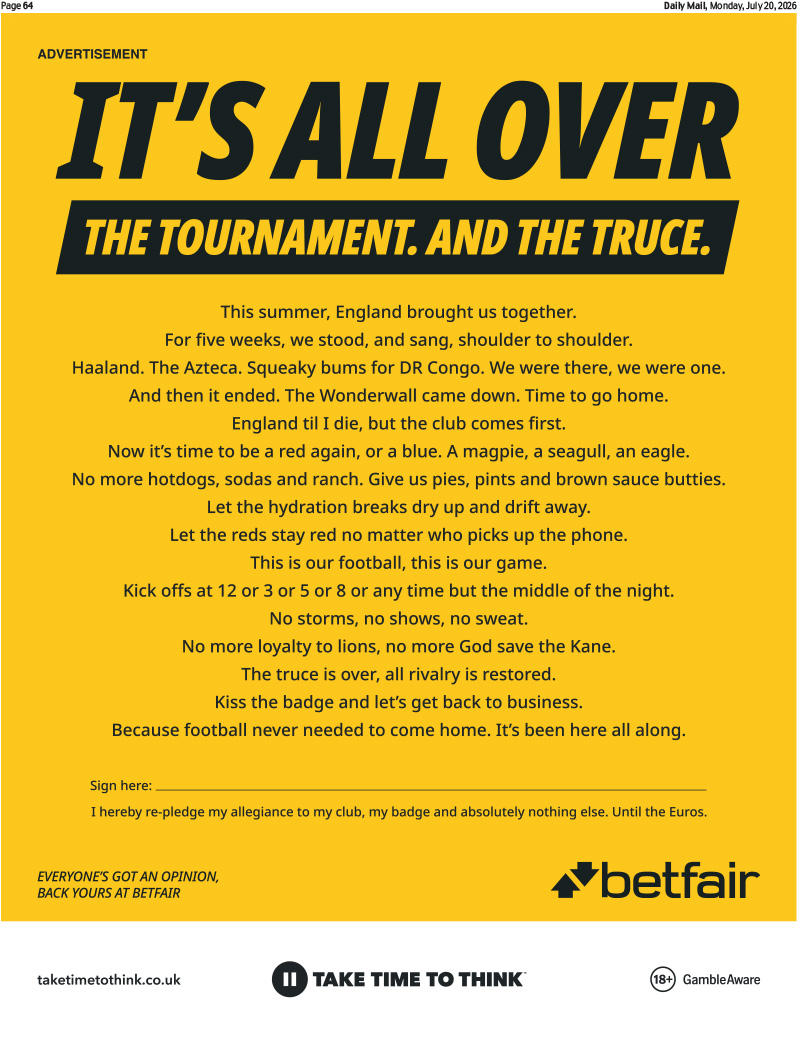
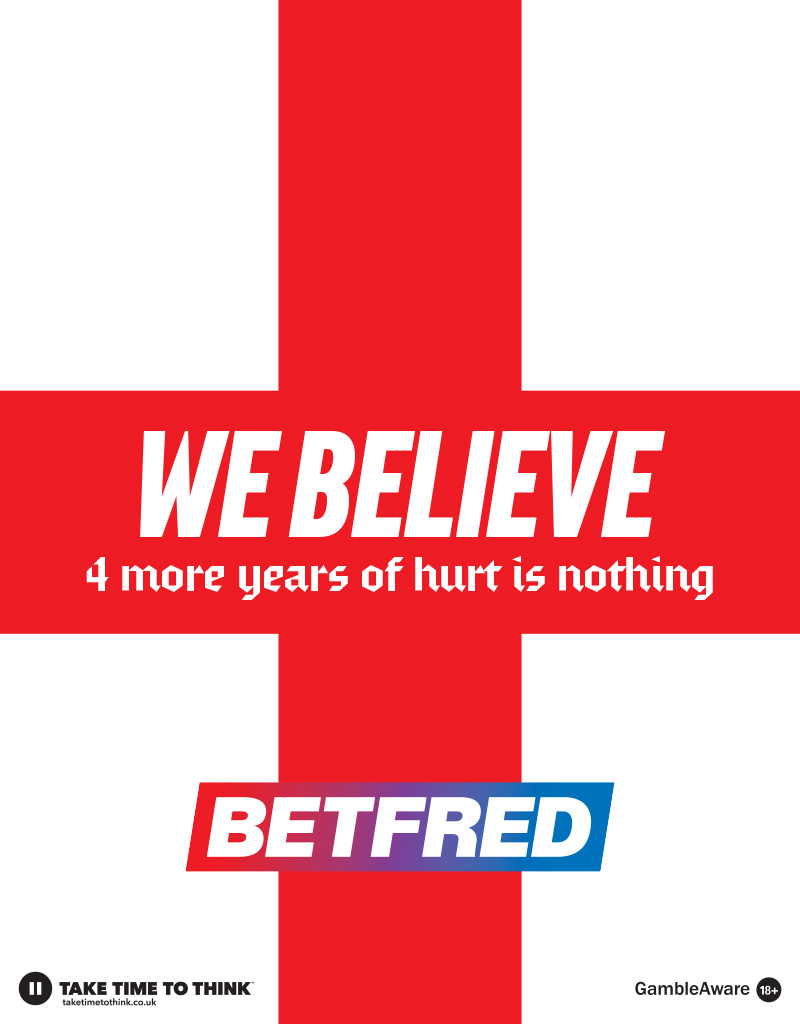
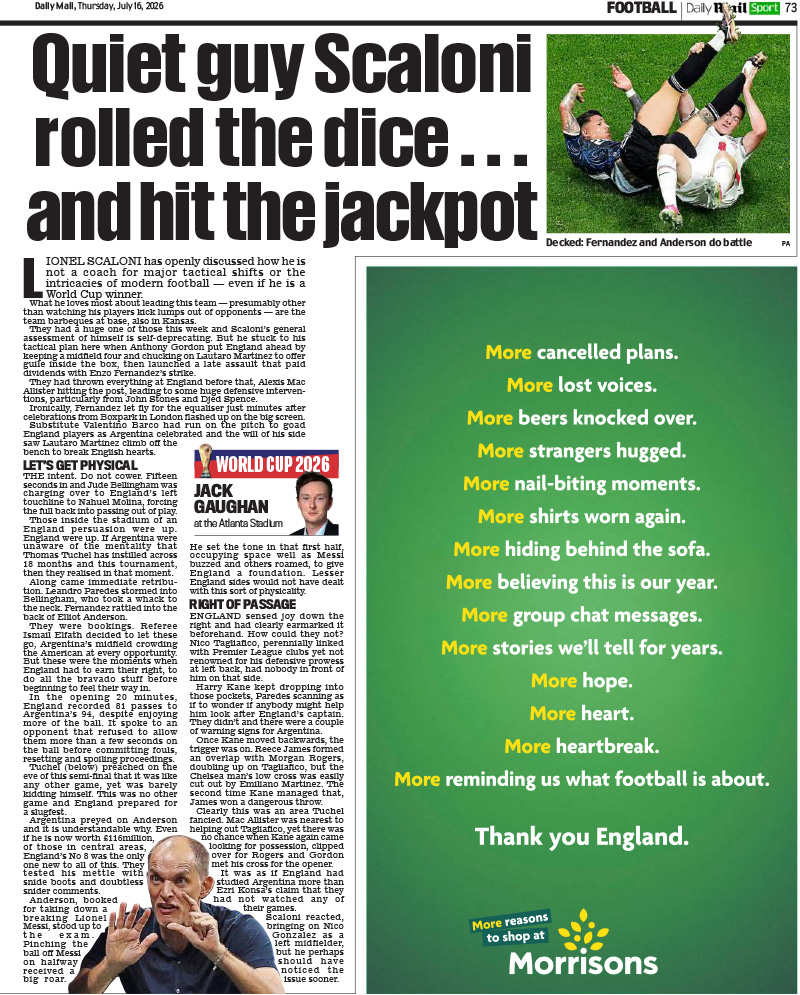
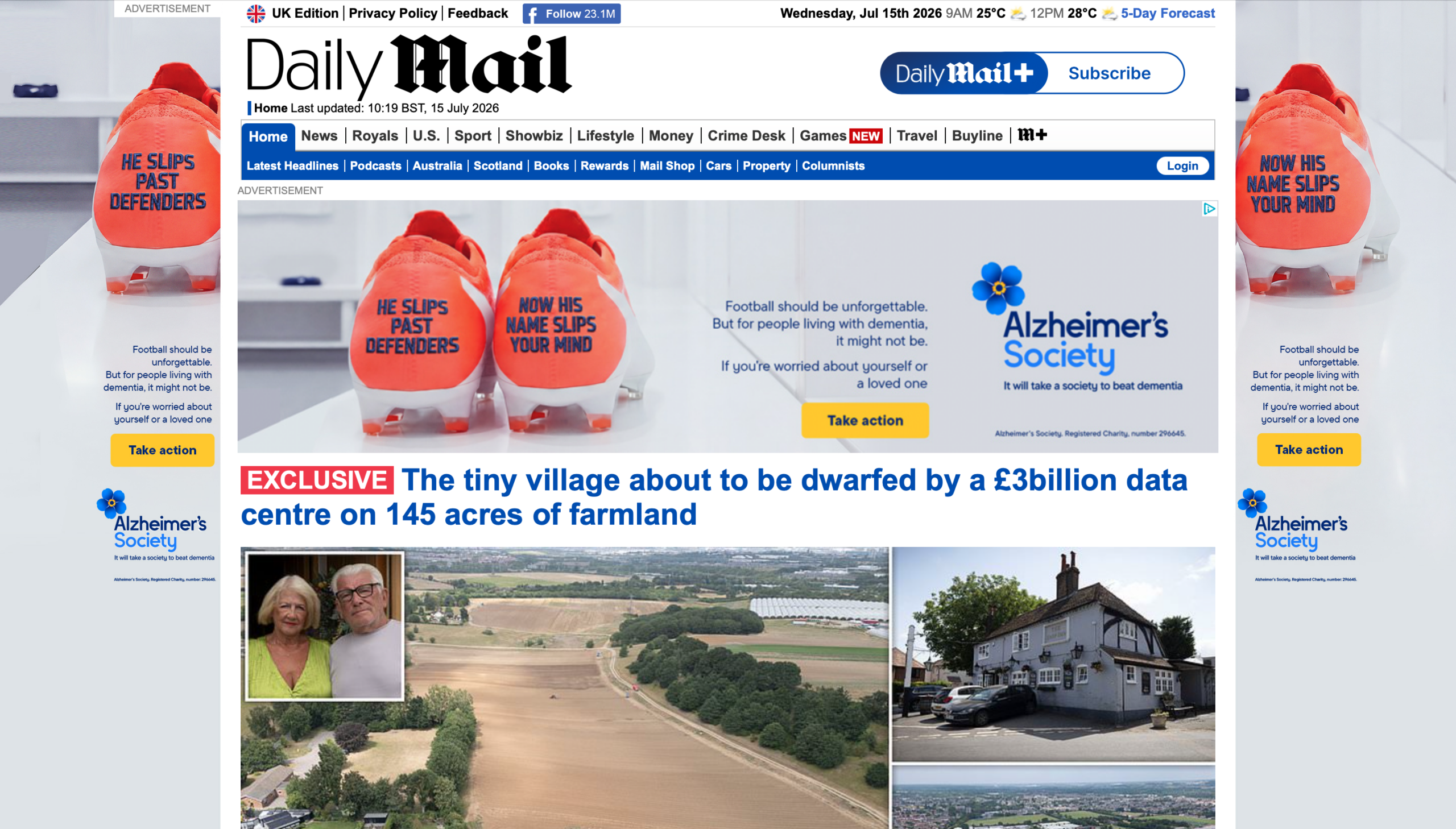
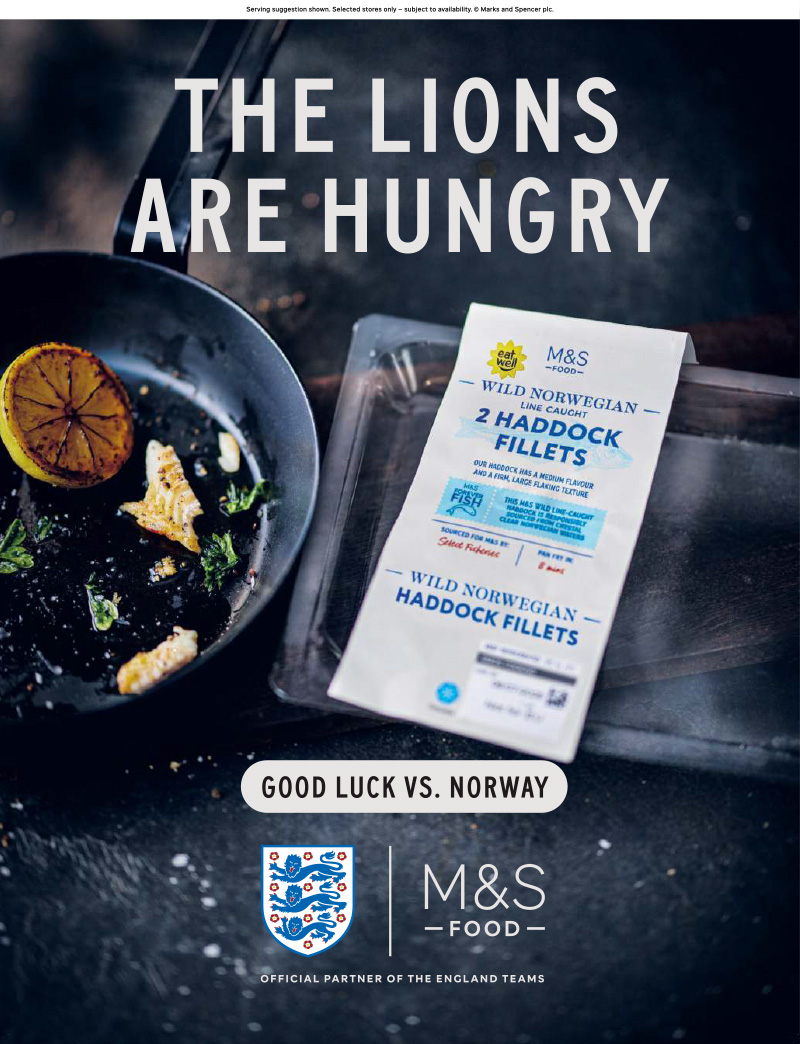
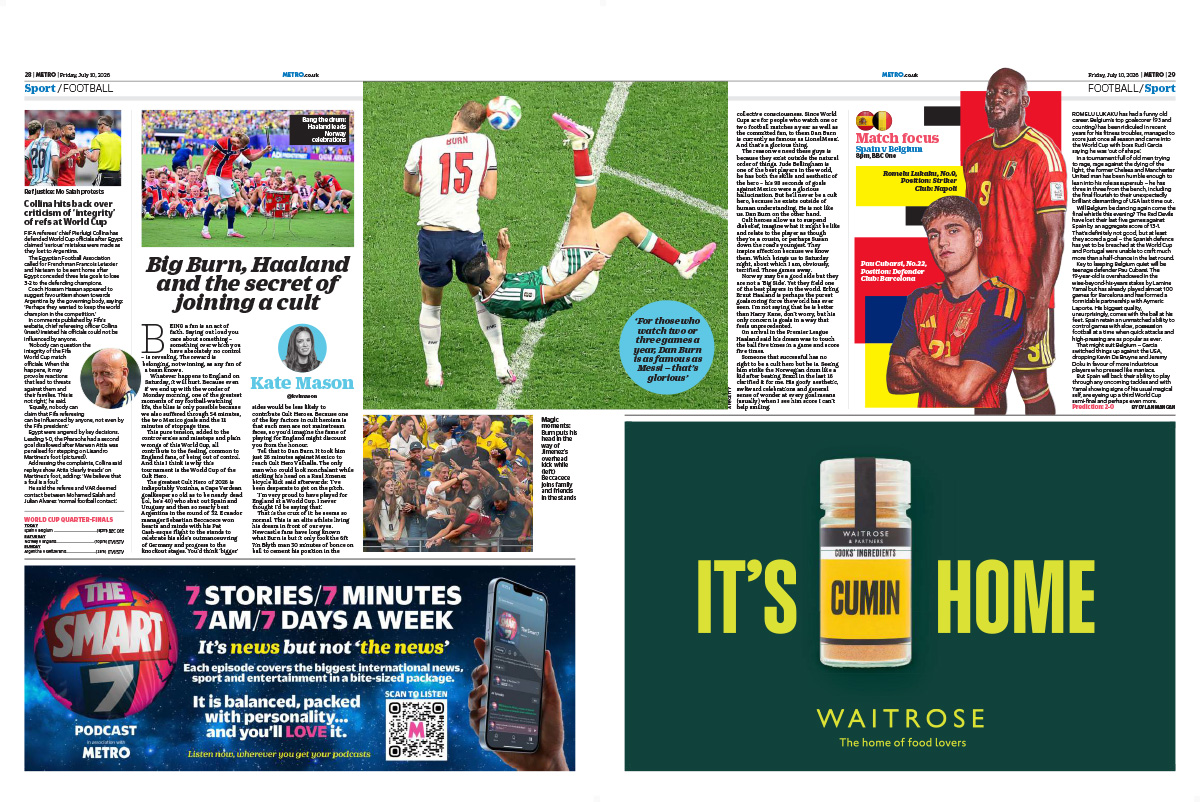
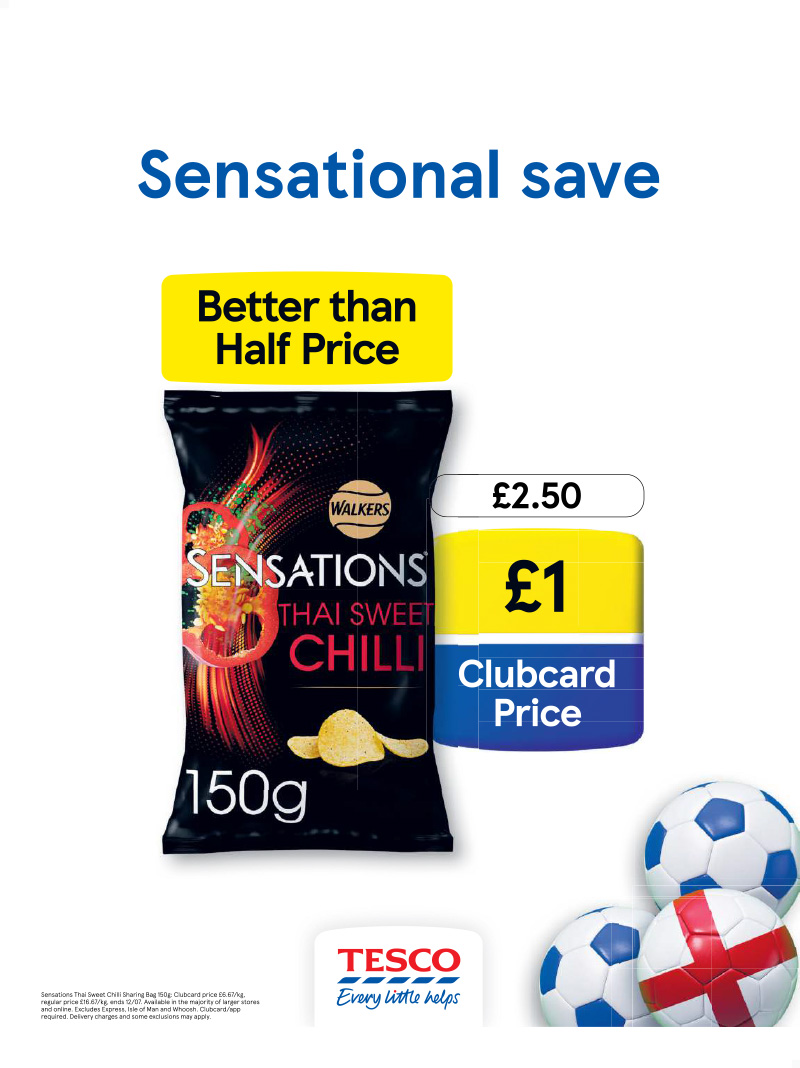
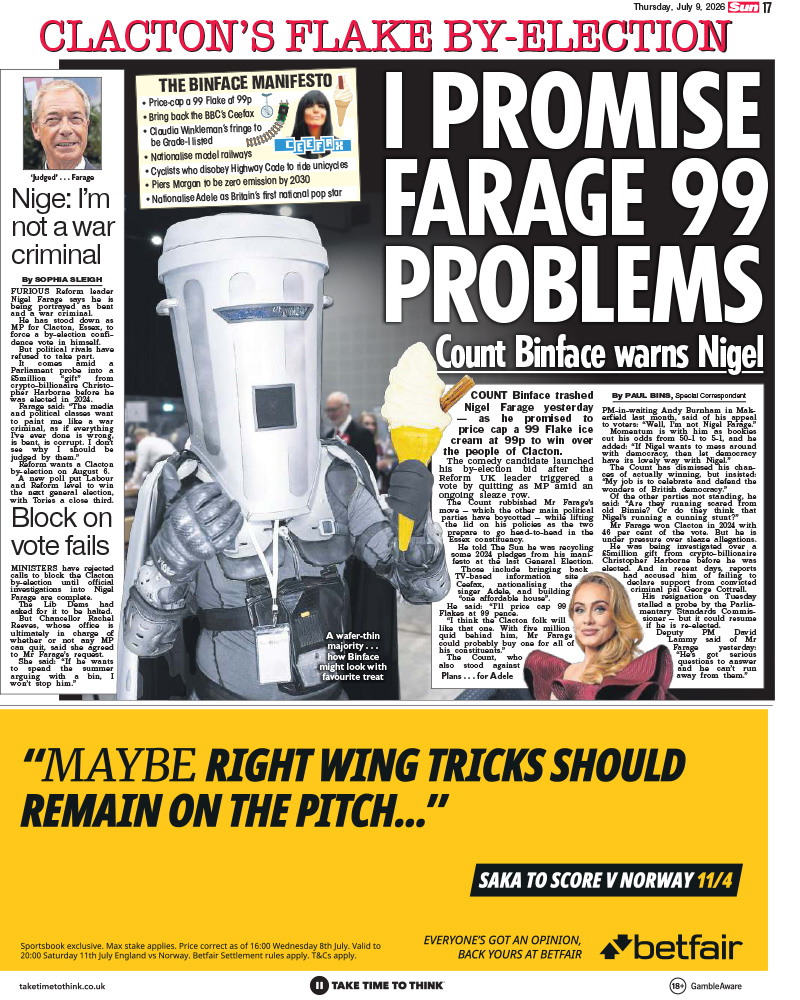
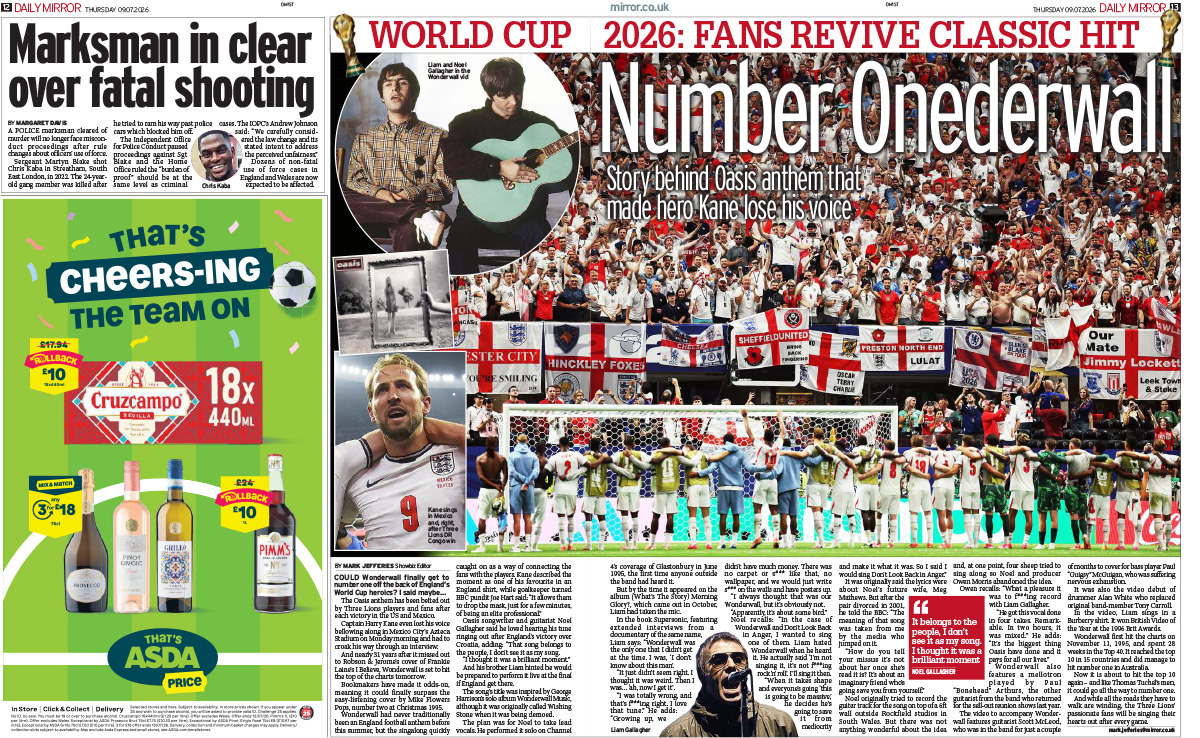
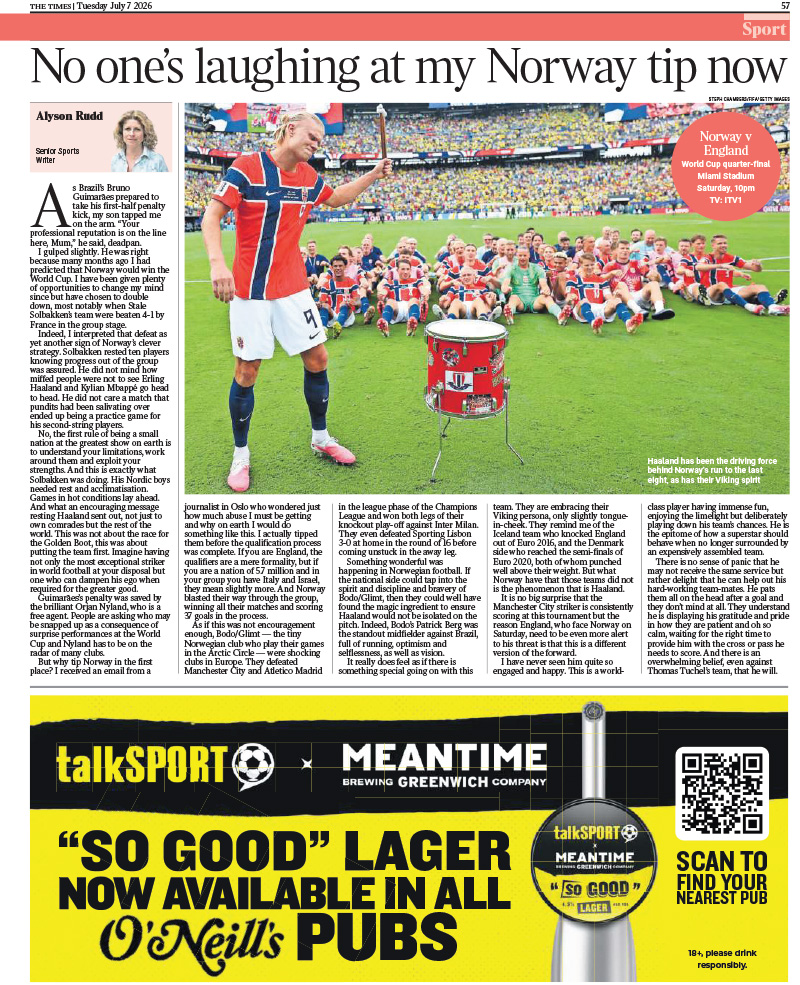
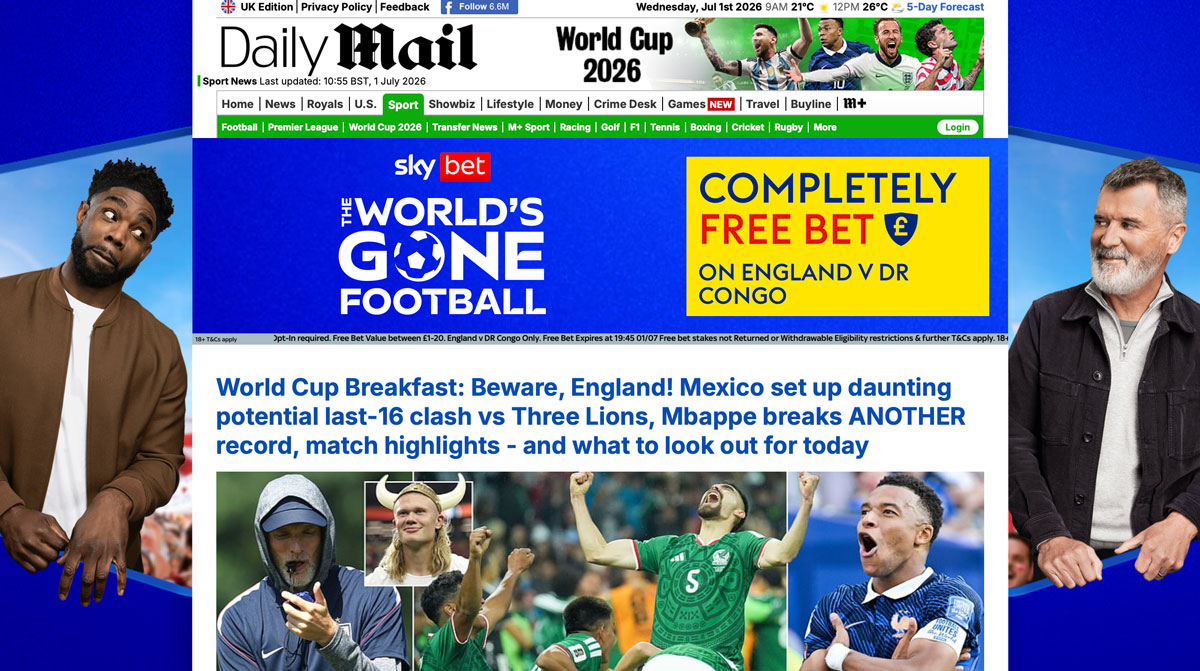
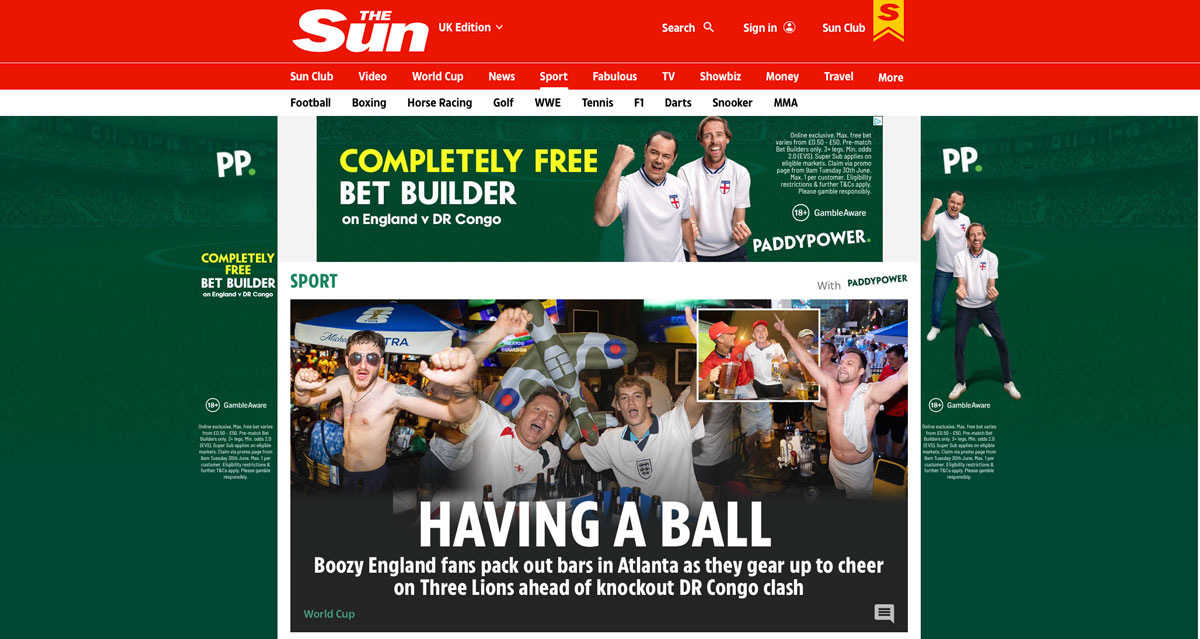
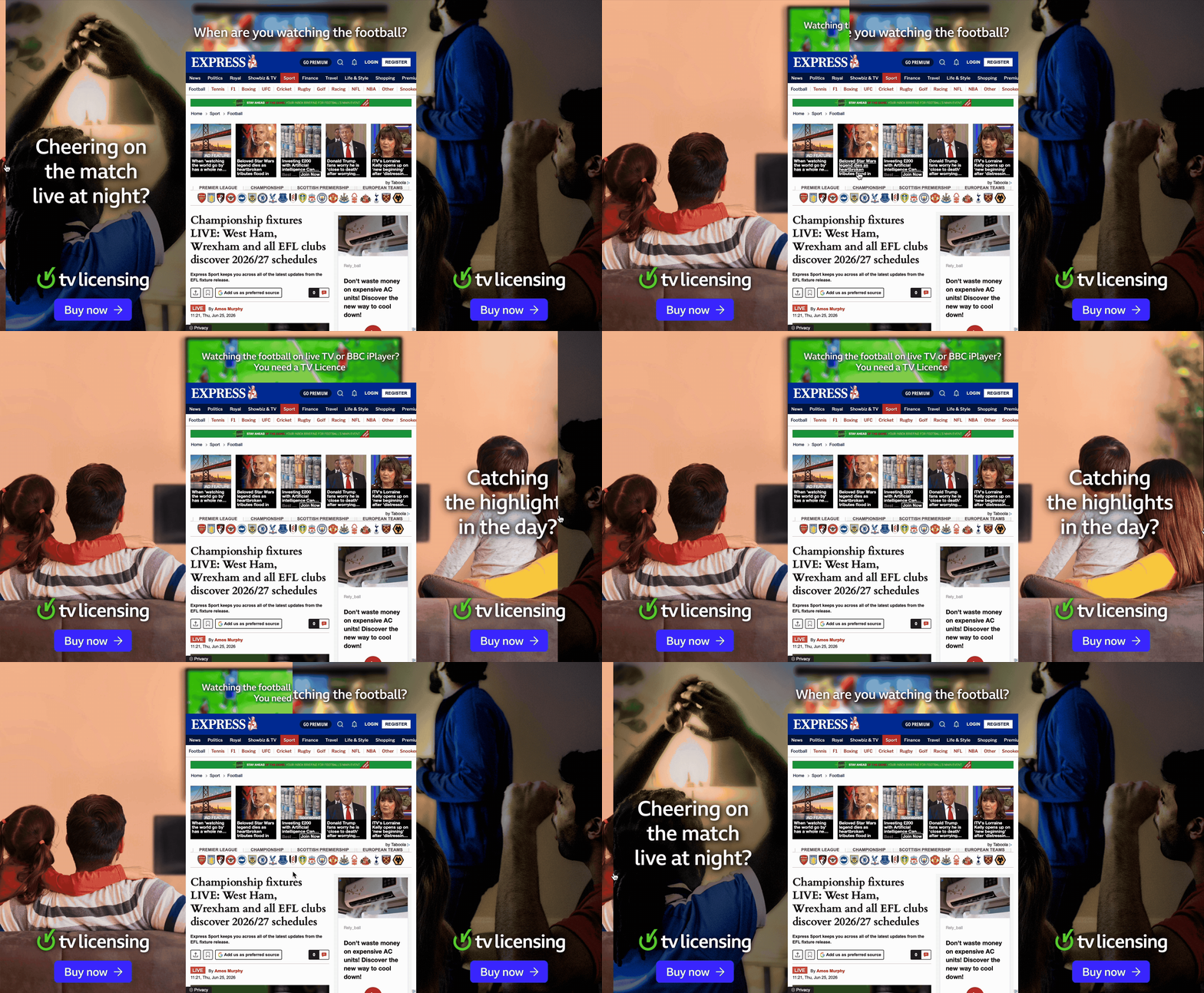
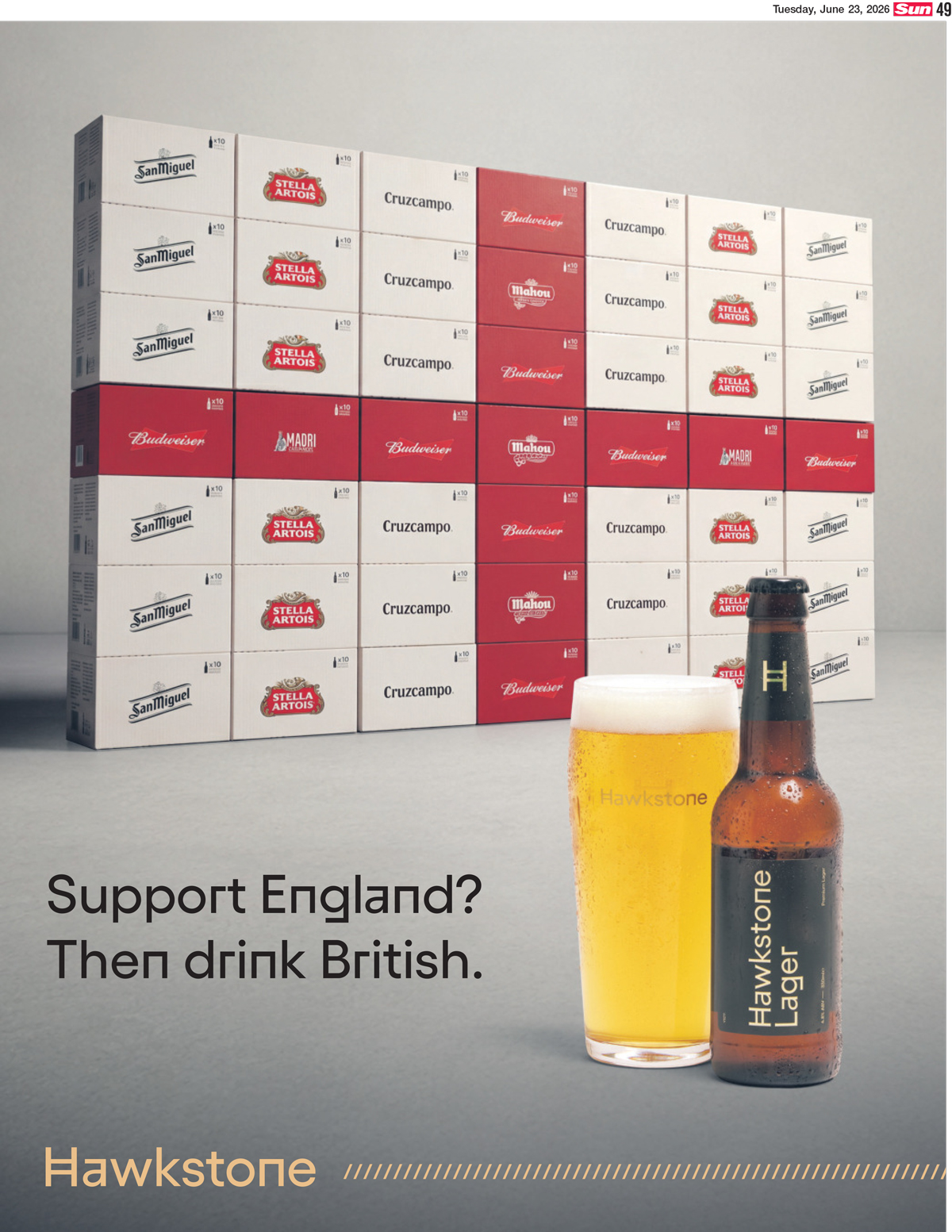
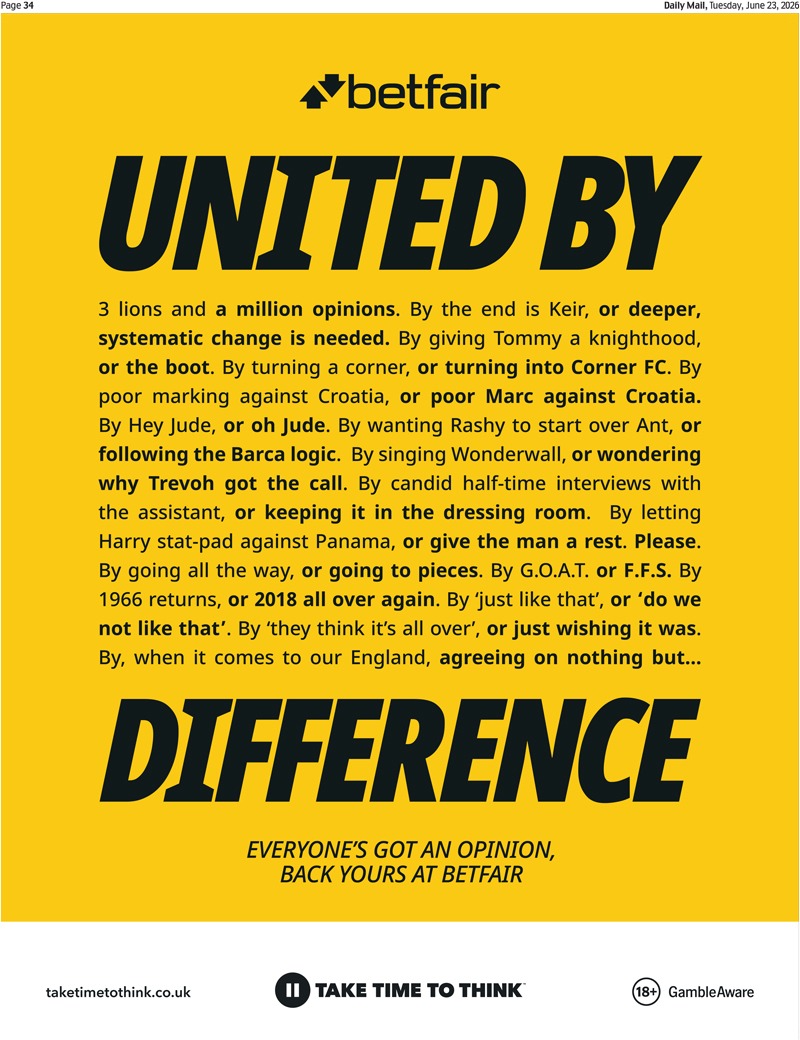
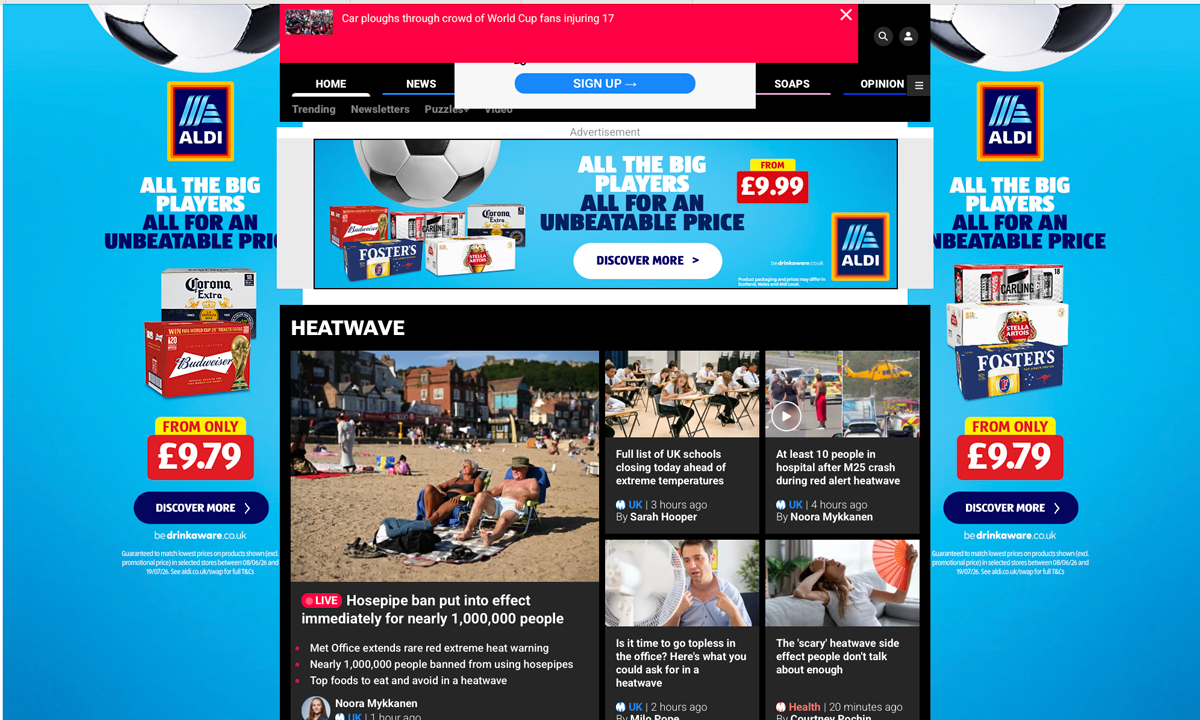
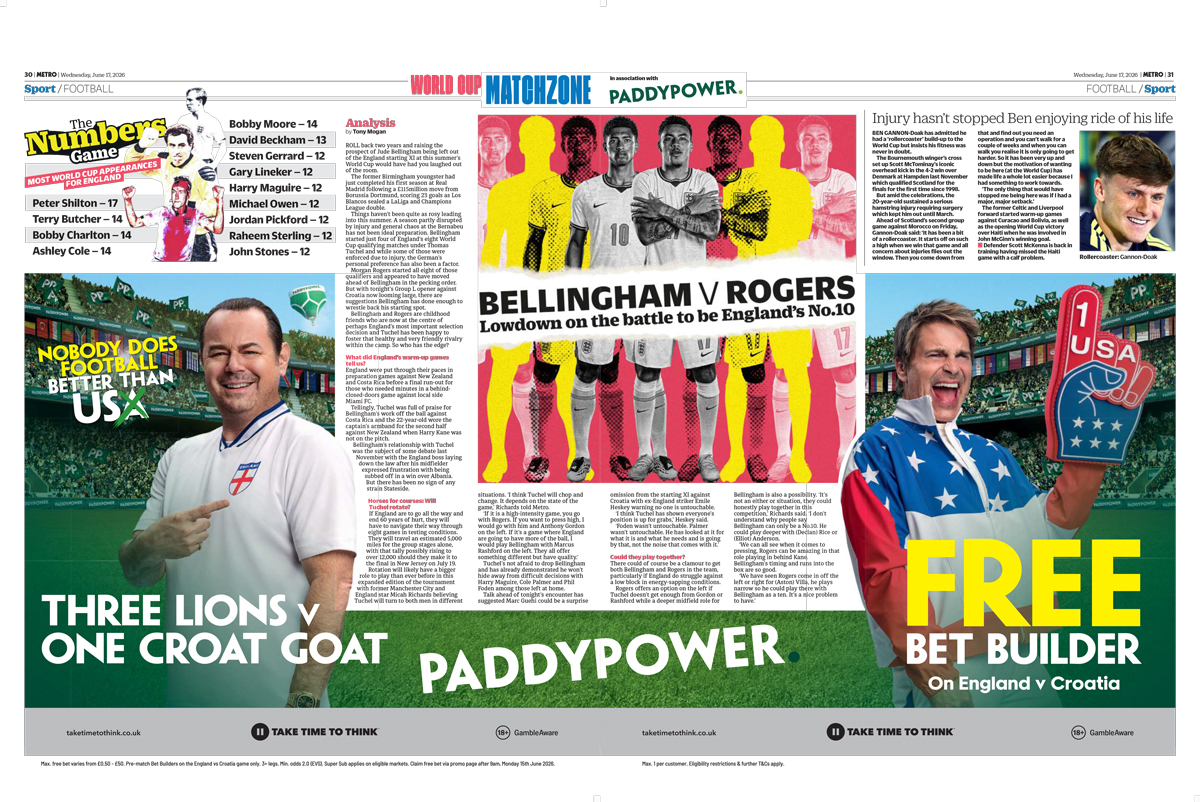
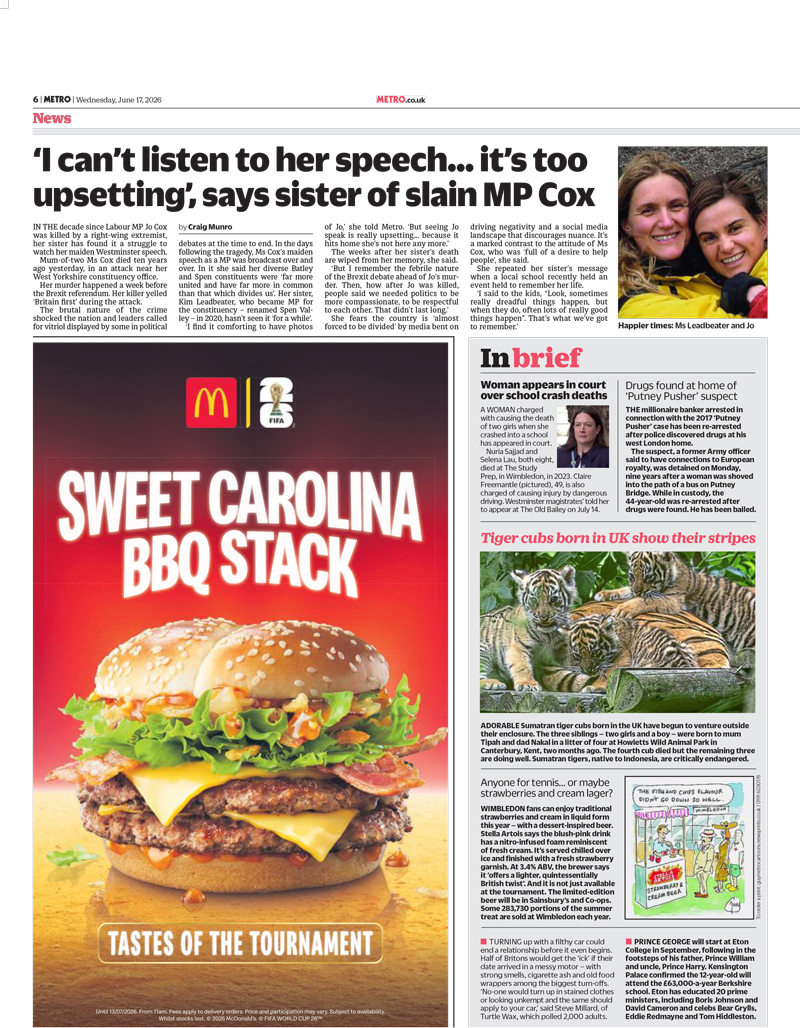
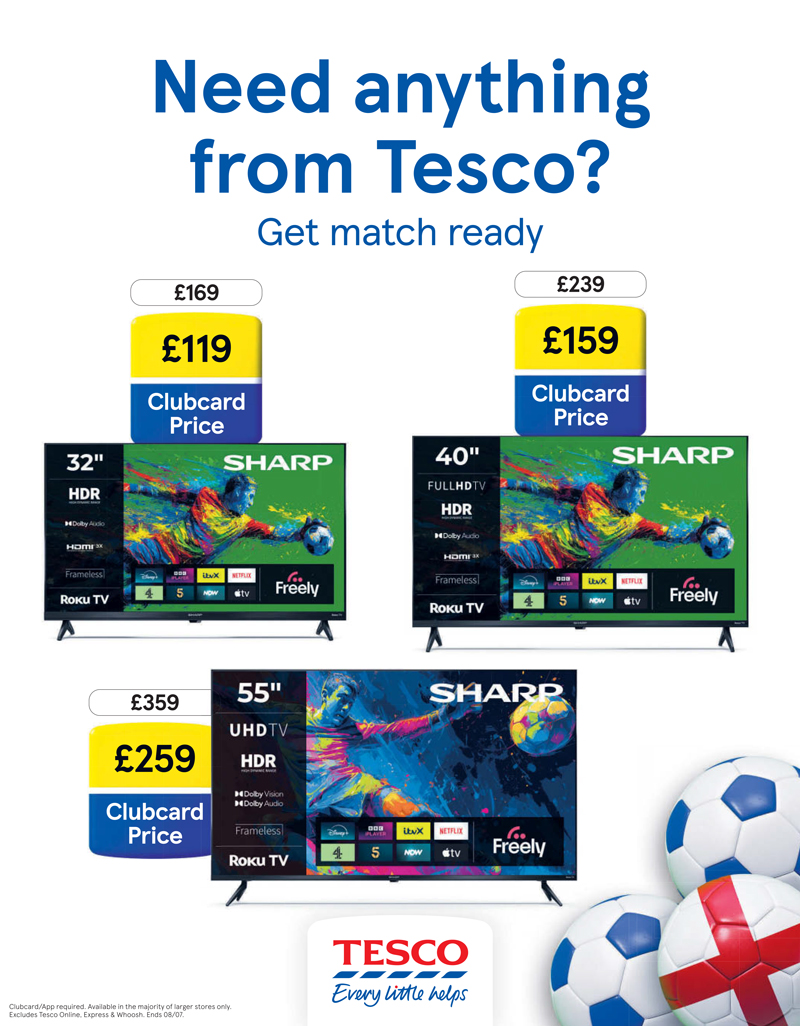
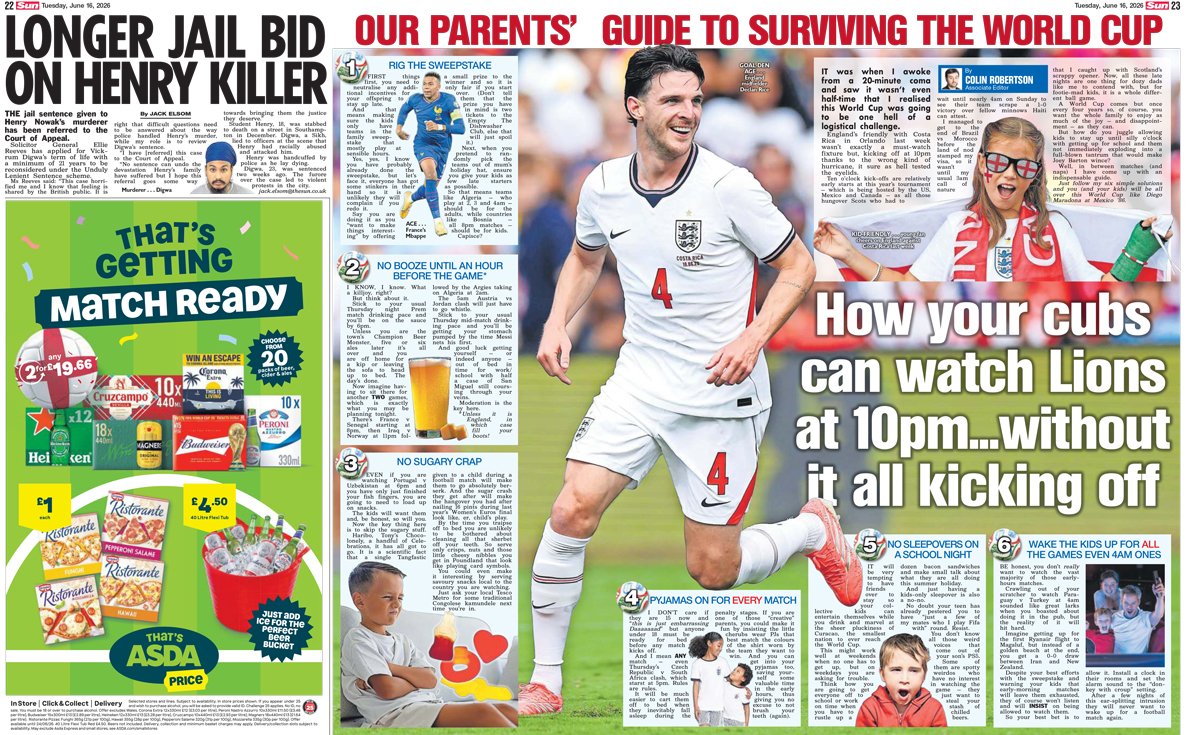
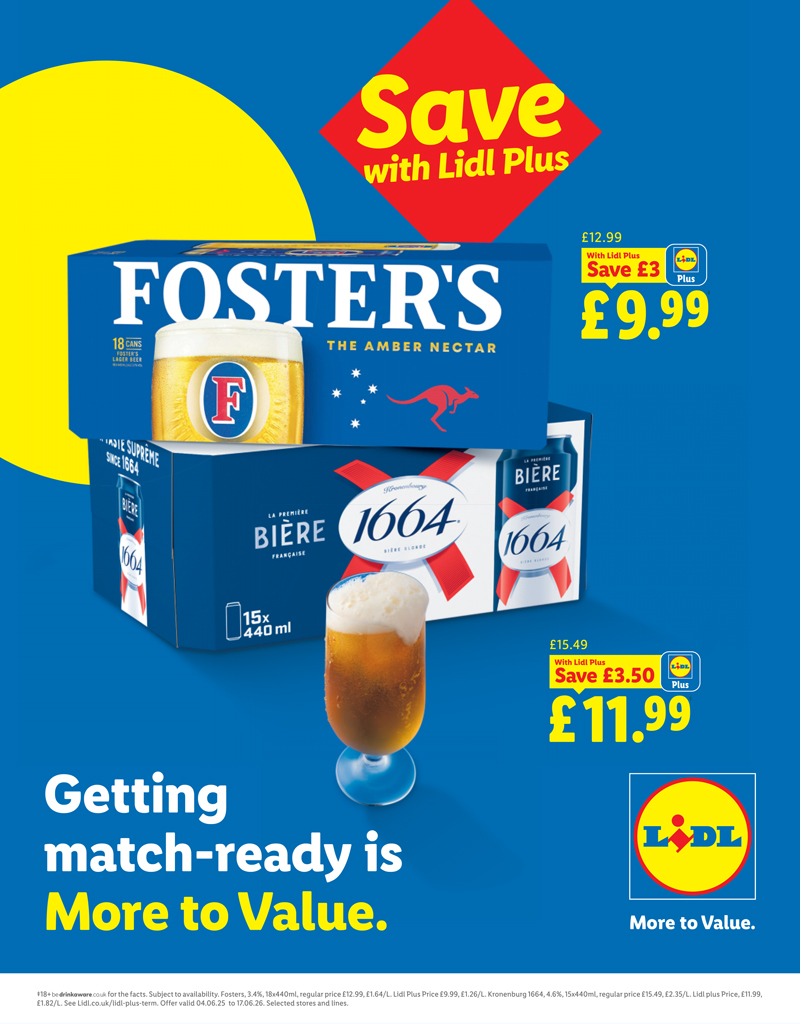
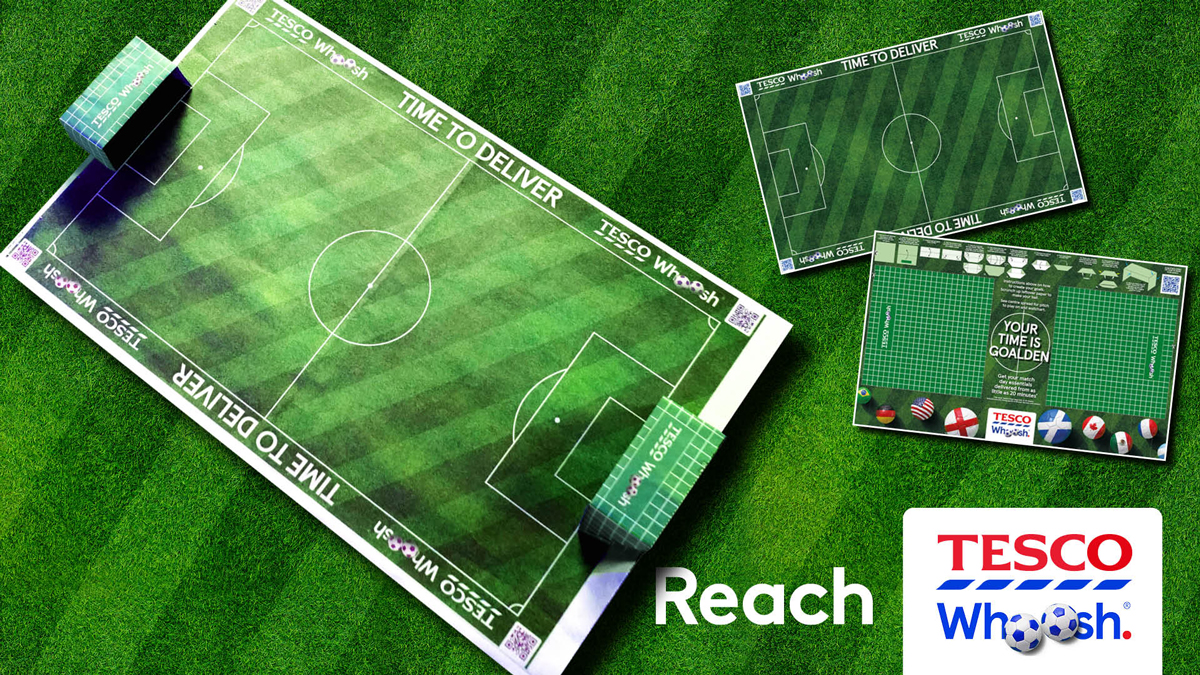
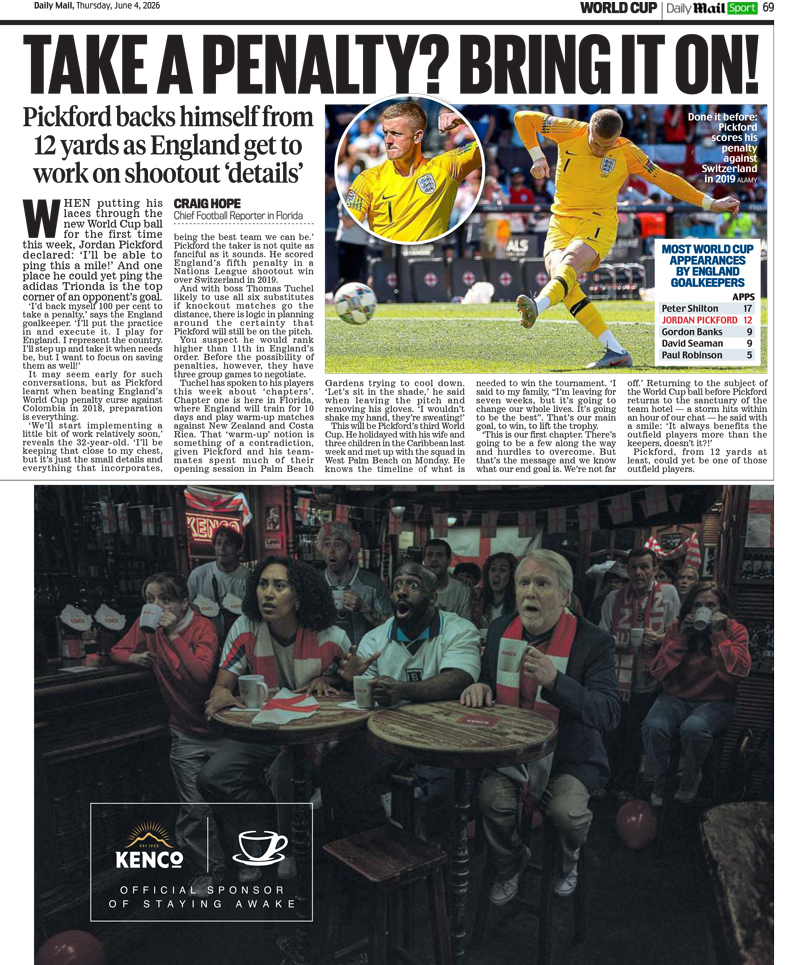
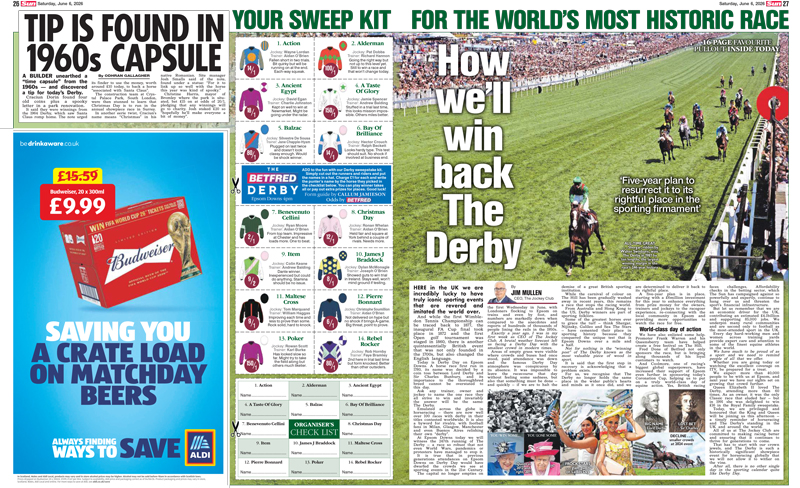
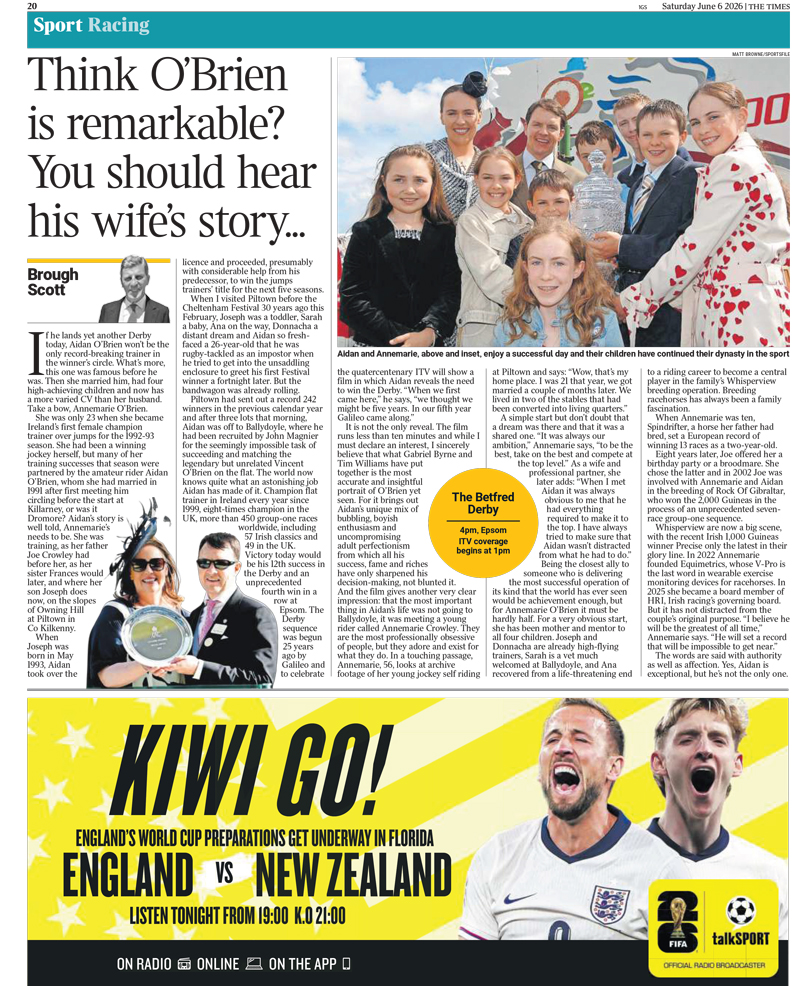
What’s a major sporting spectacle without brands getting involved in one of the biggest moments of the year? From betting banter to support from supermarkets, it was a brilliant tournament for witty tactical advertising.


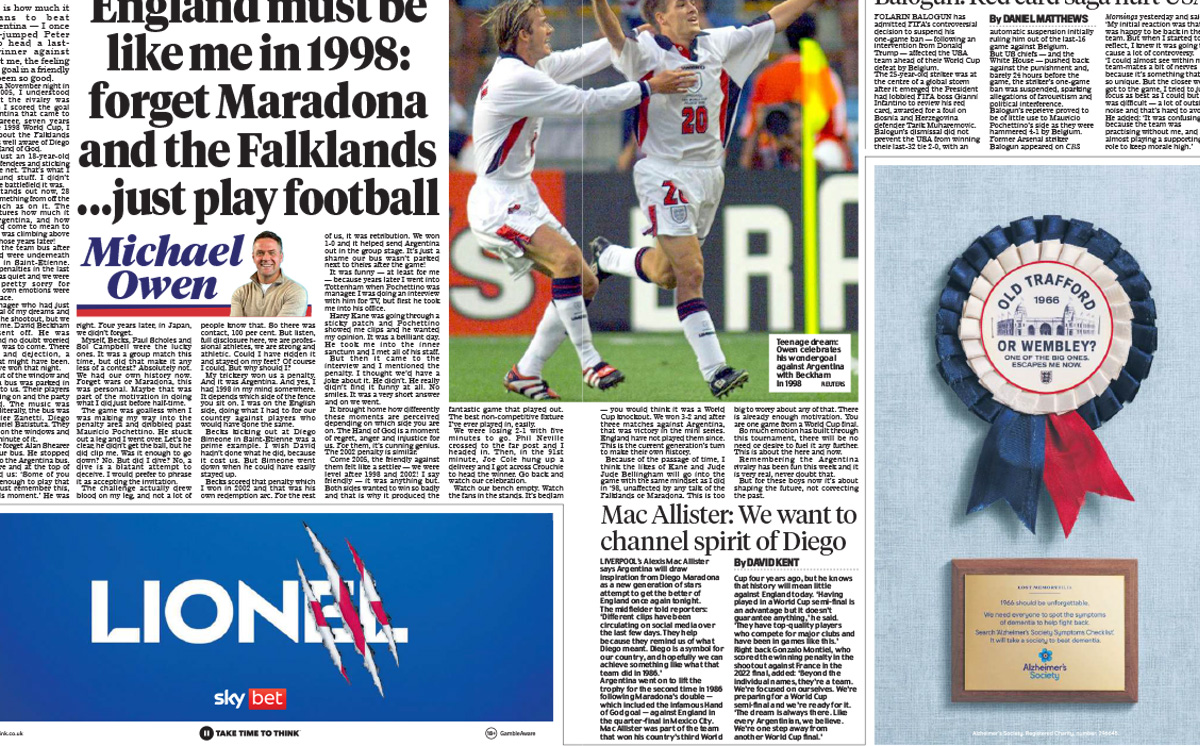

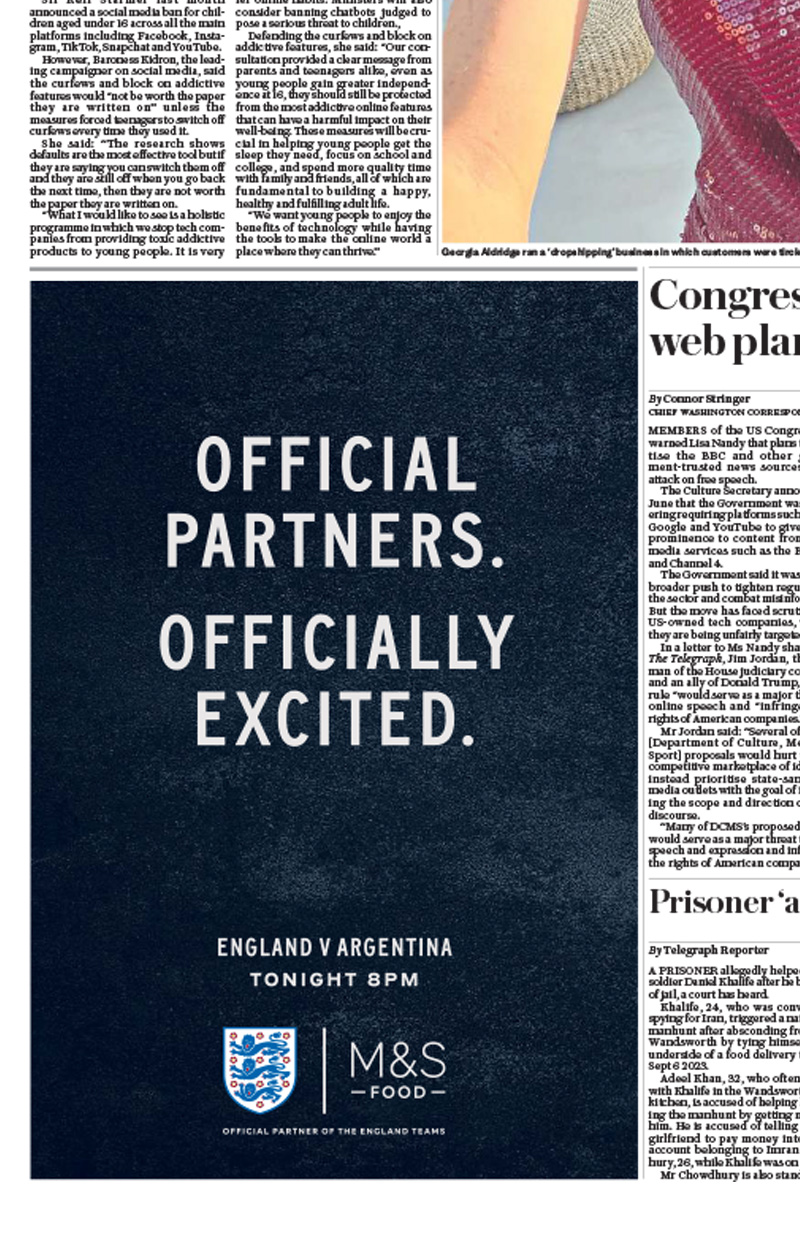


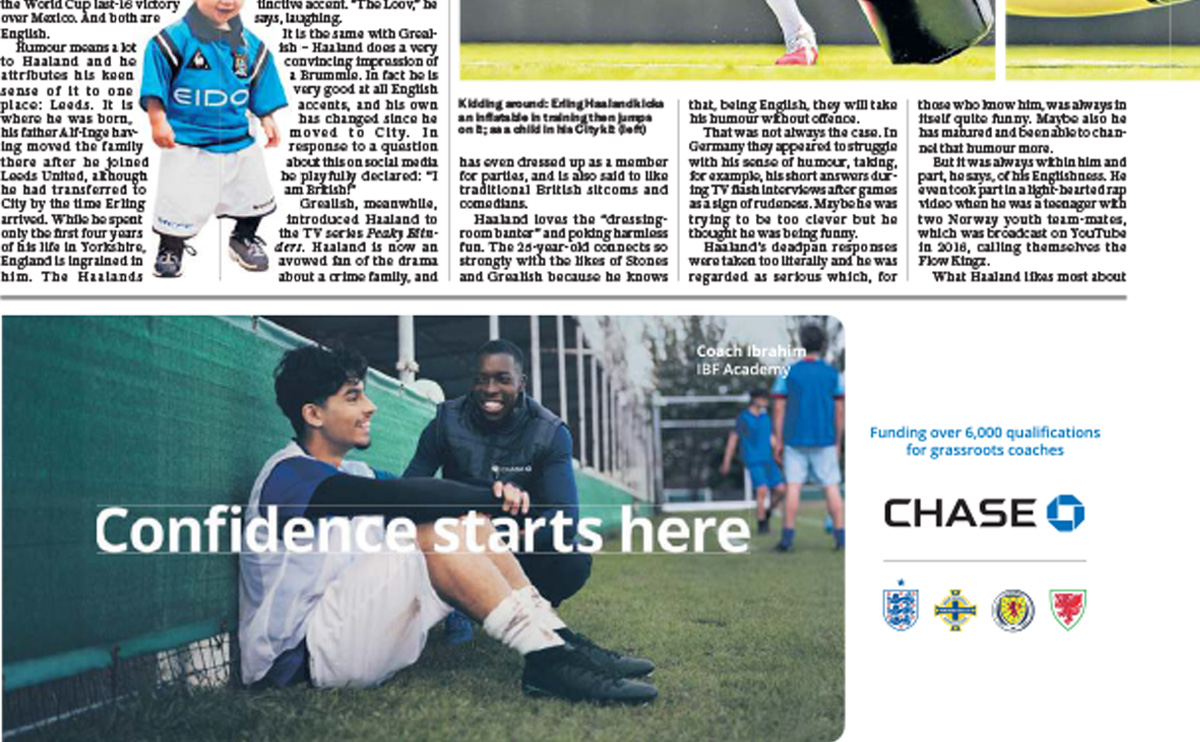
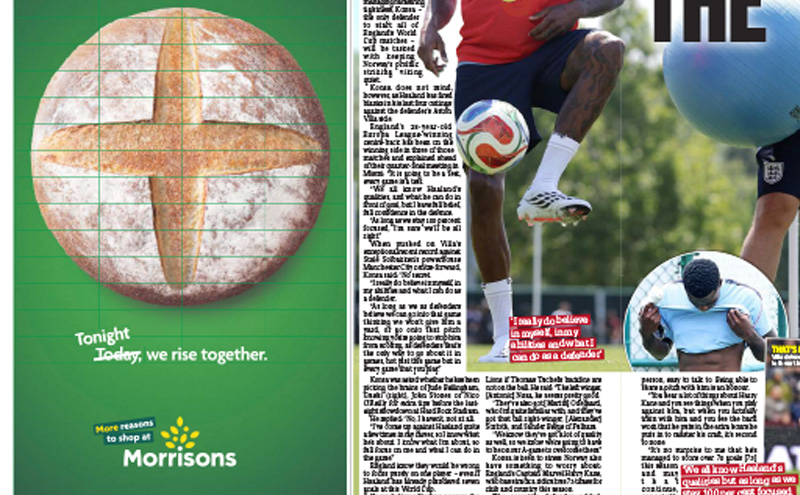





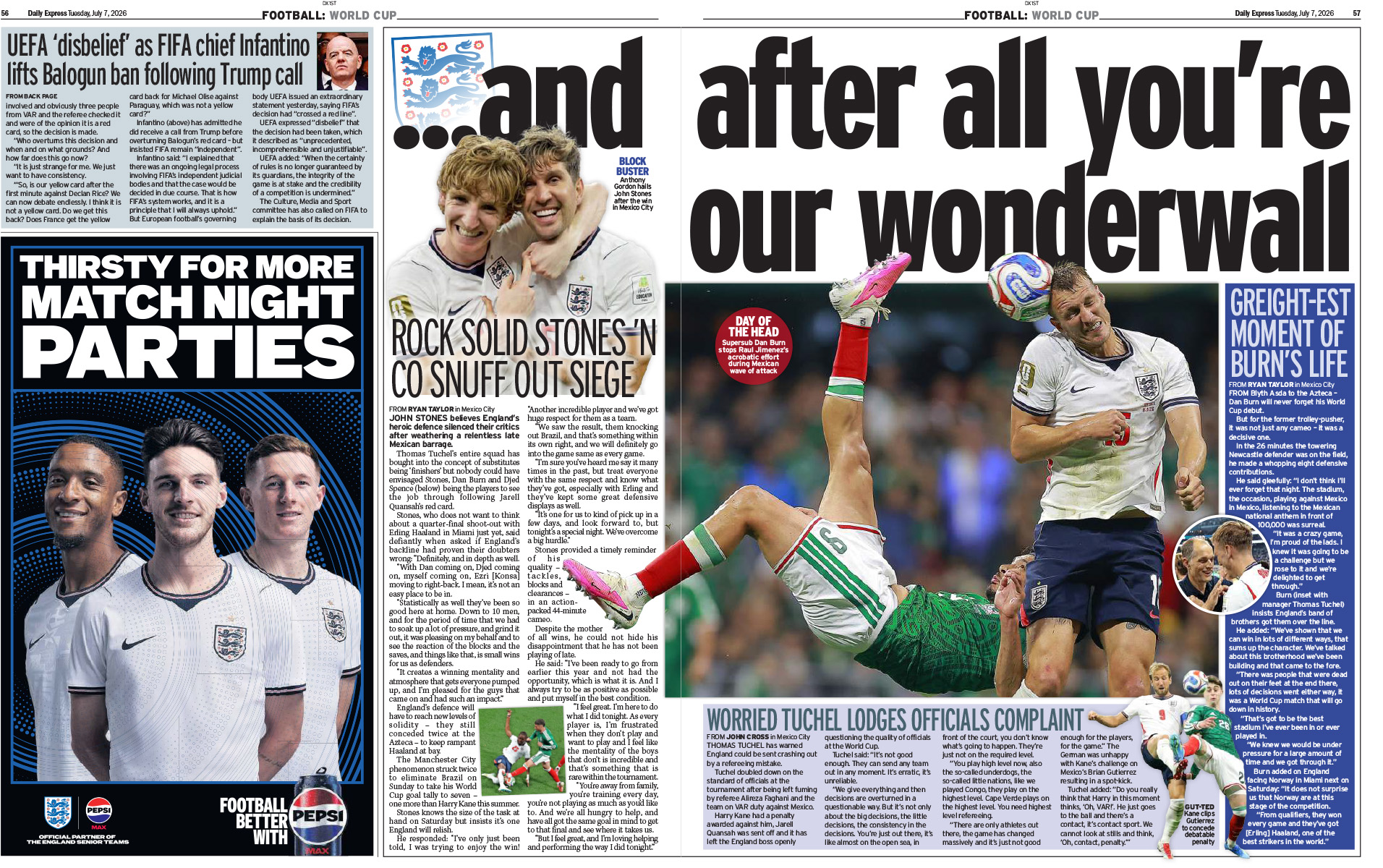


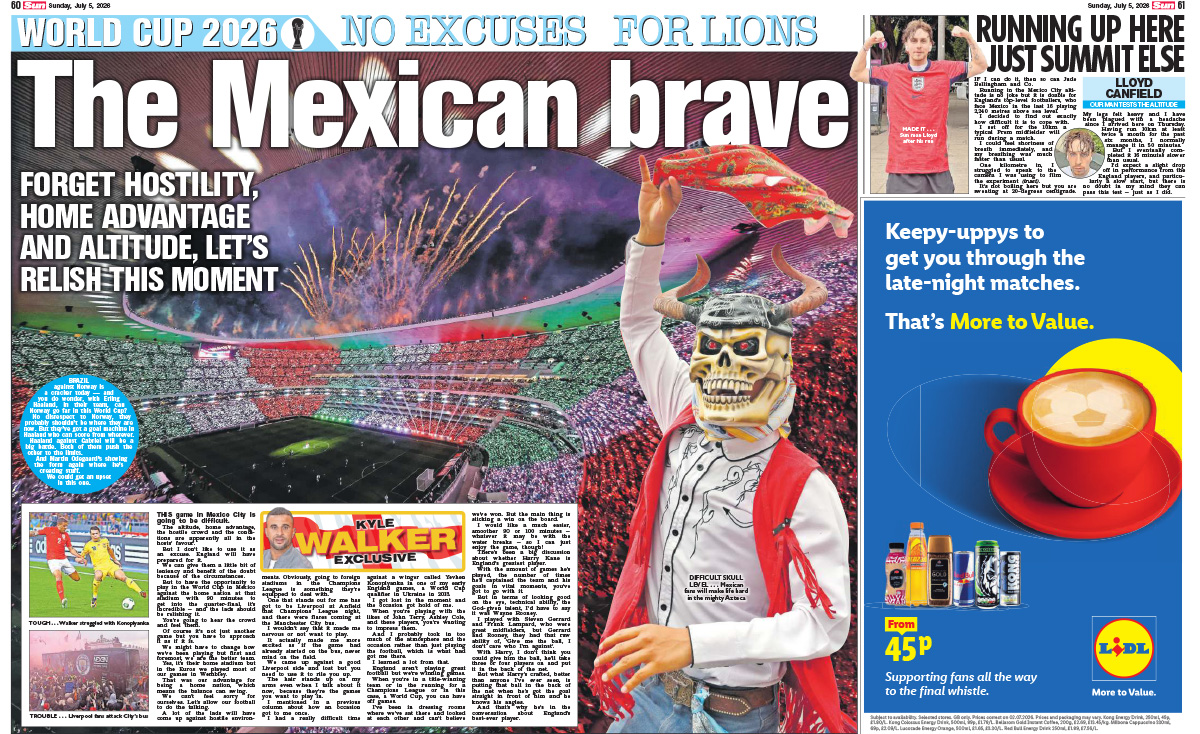
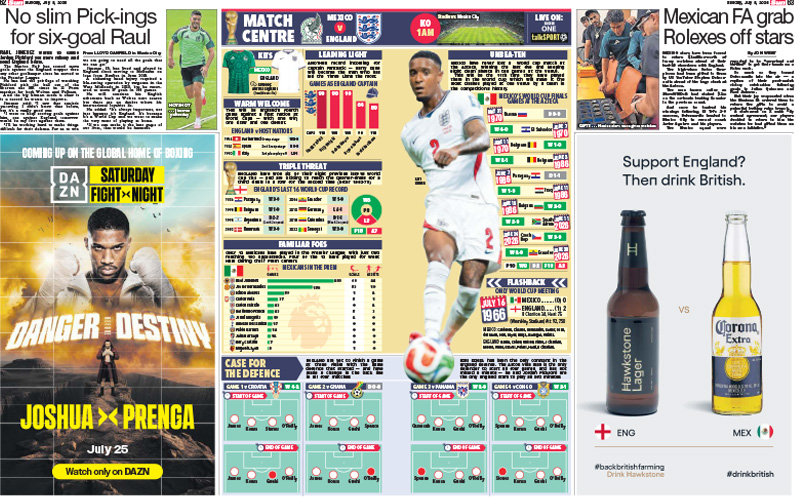

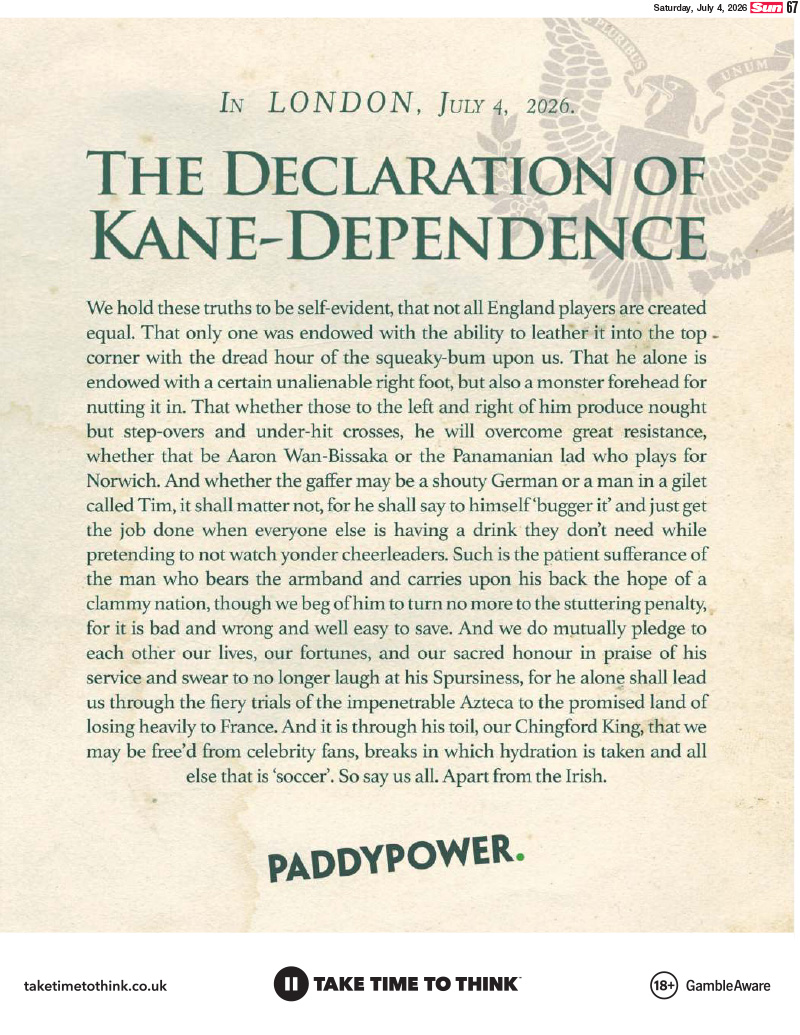

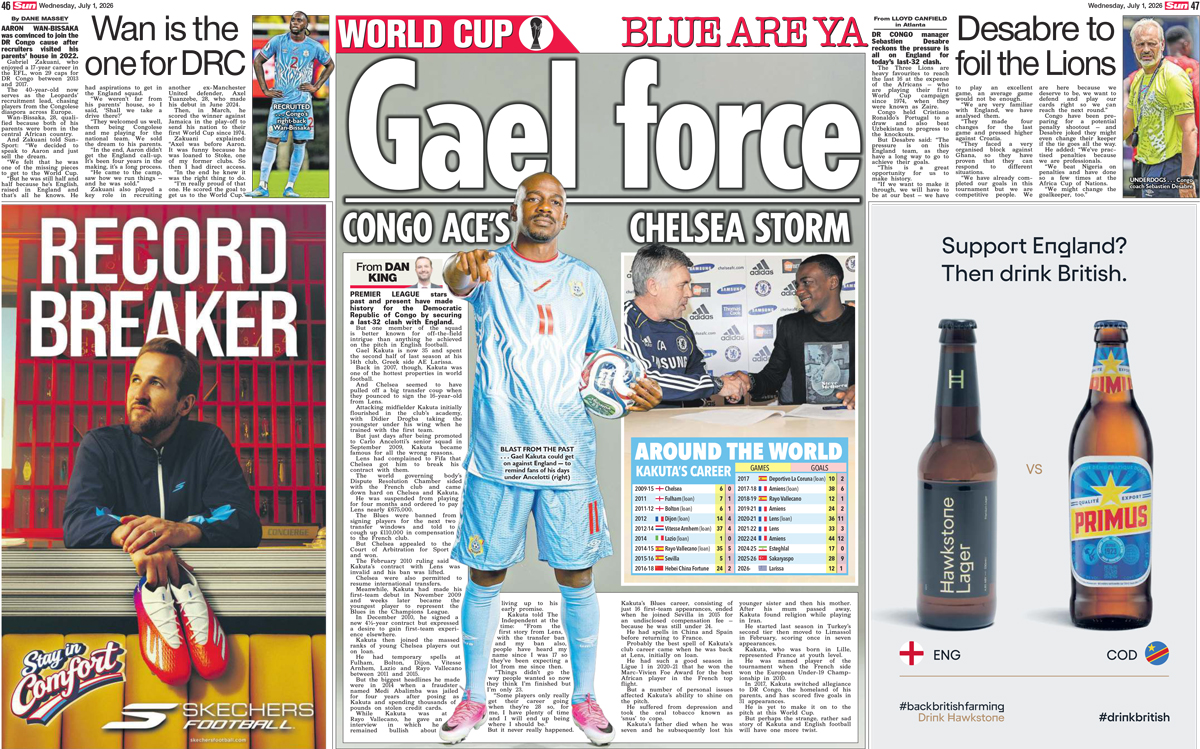


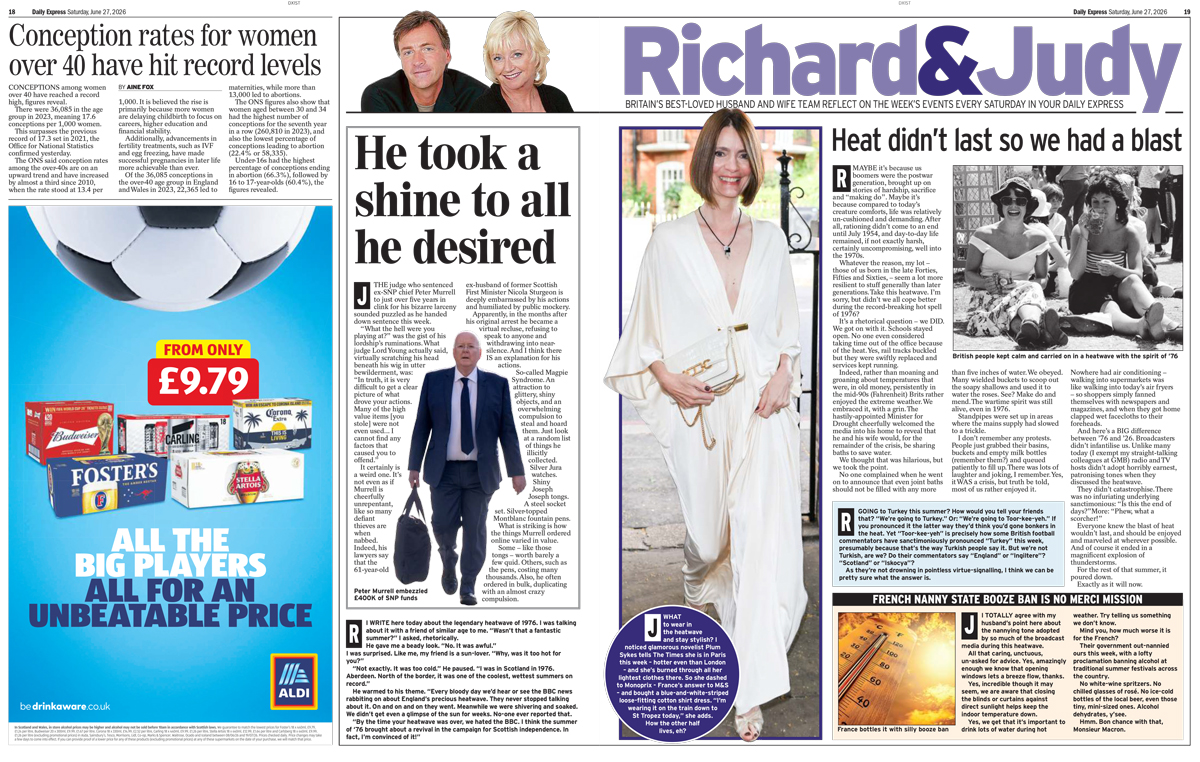
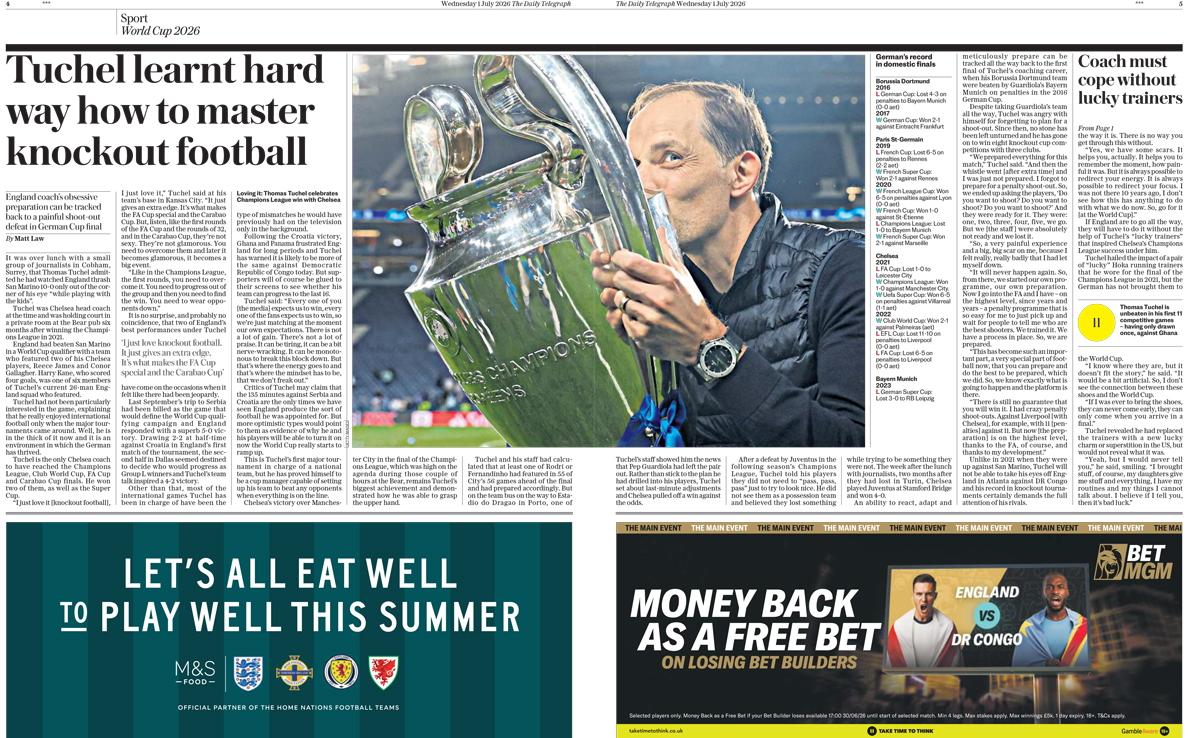

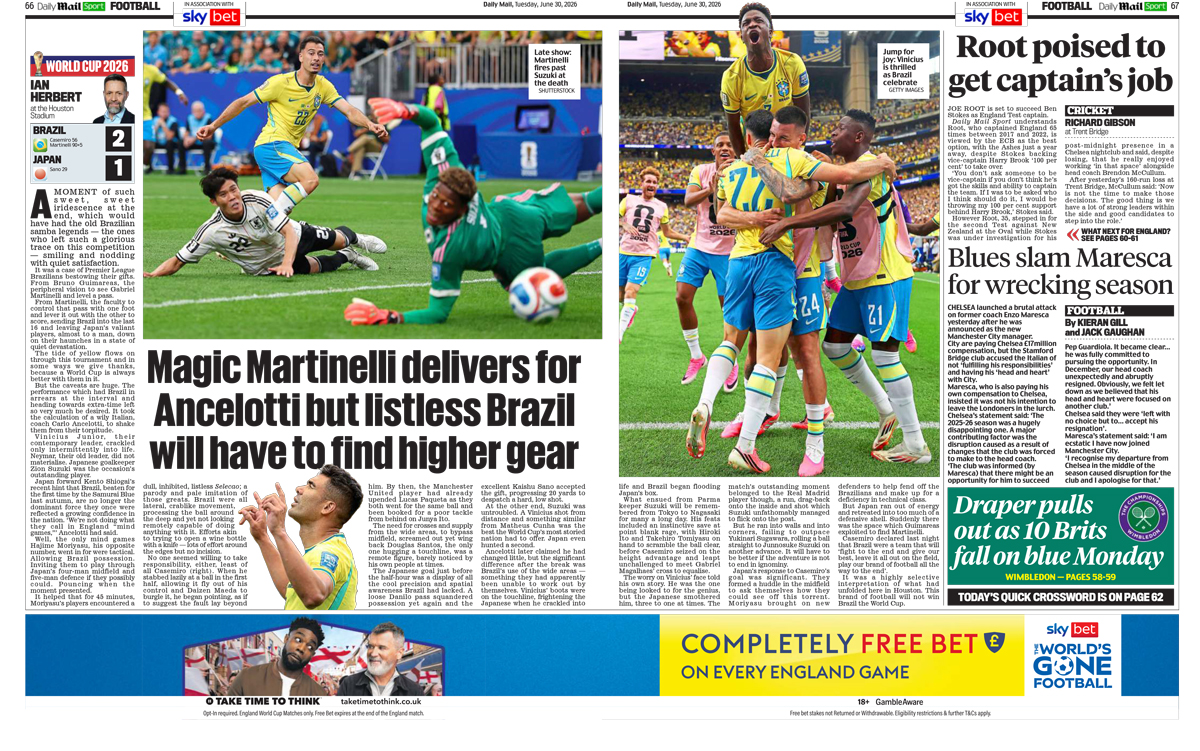



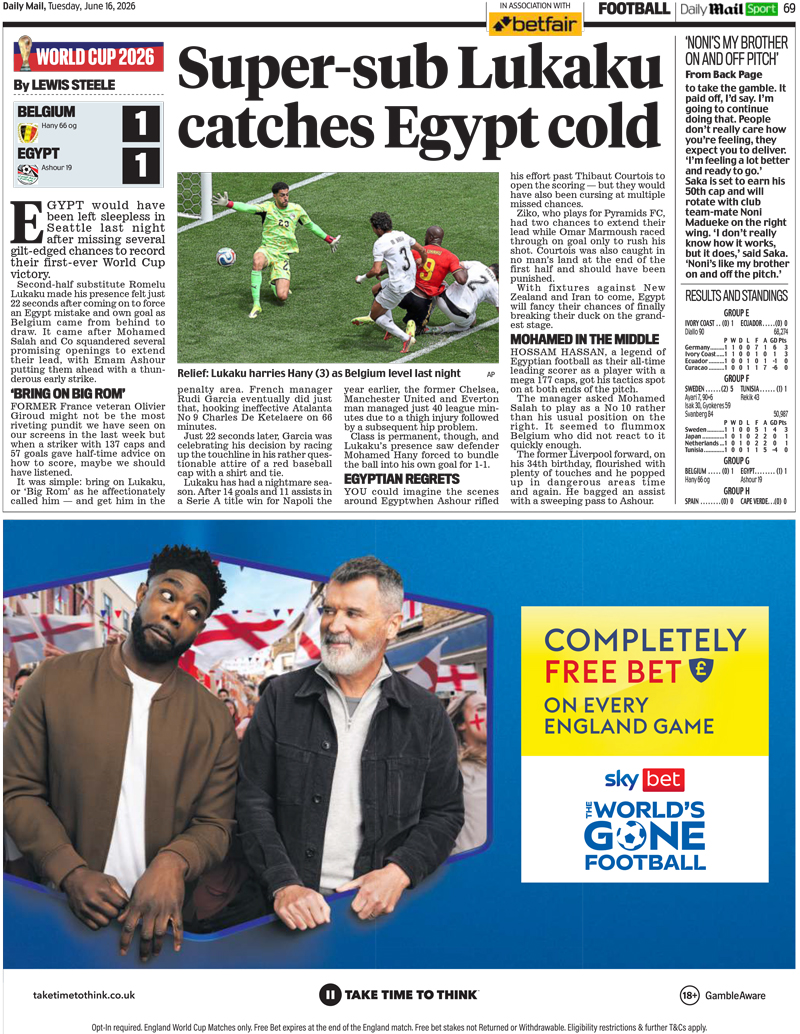
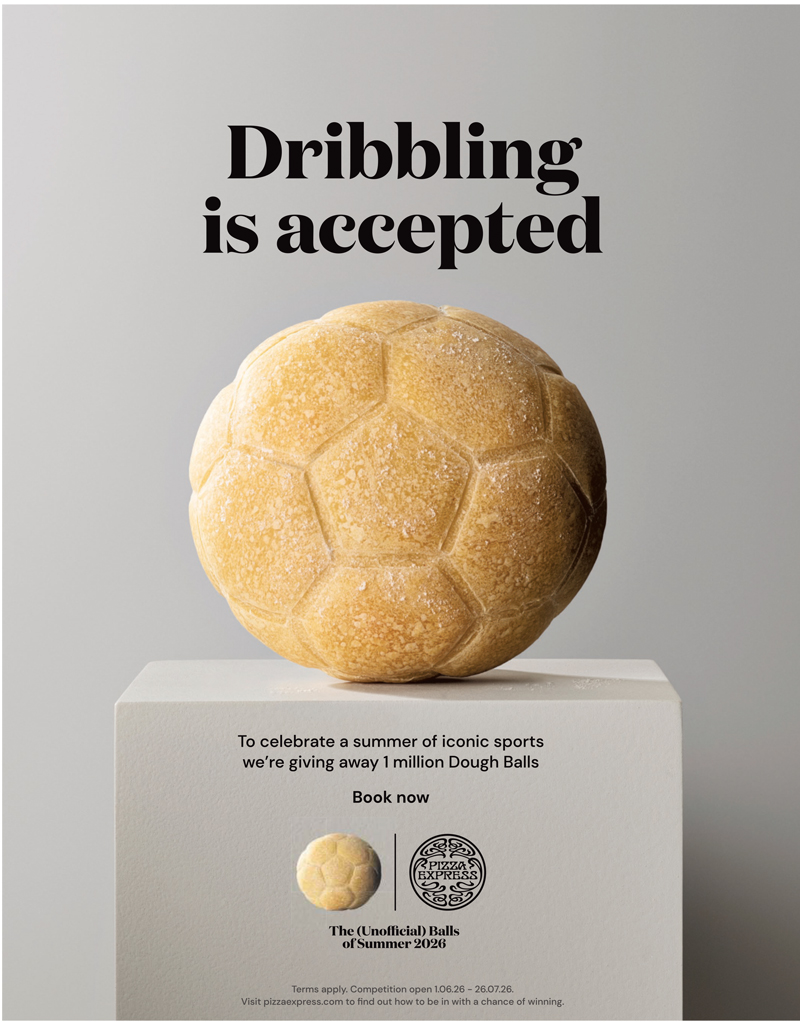
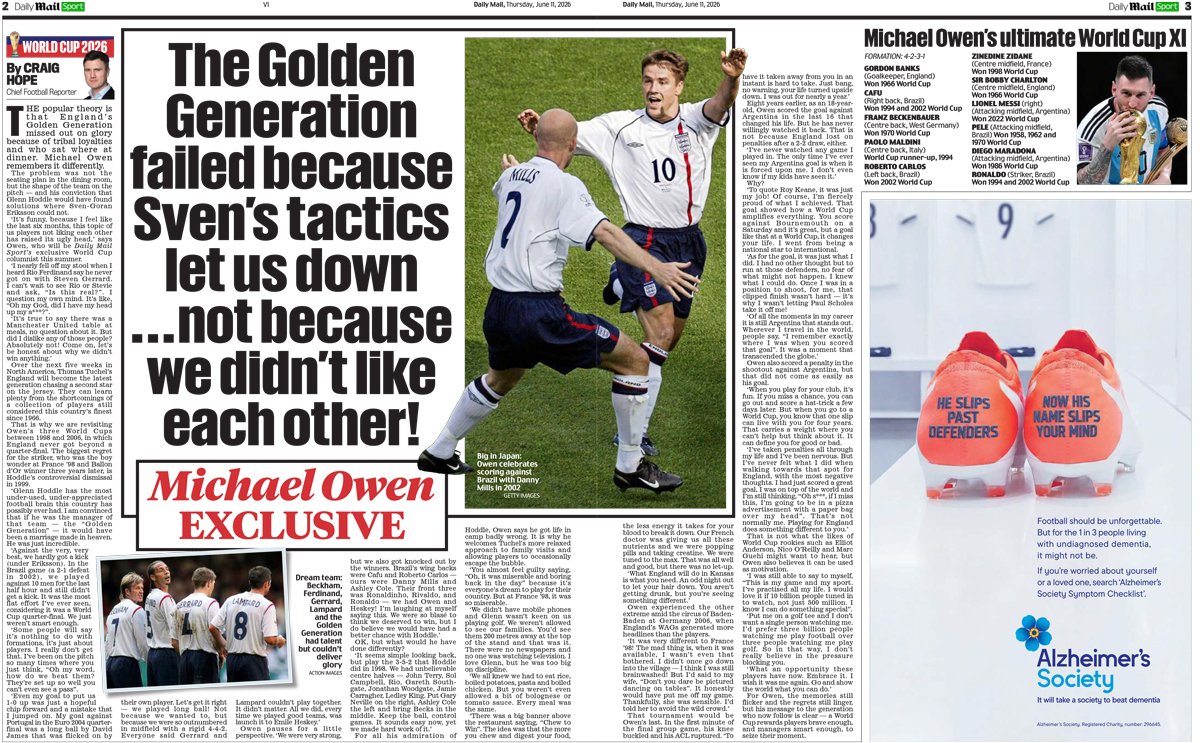
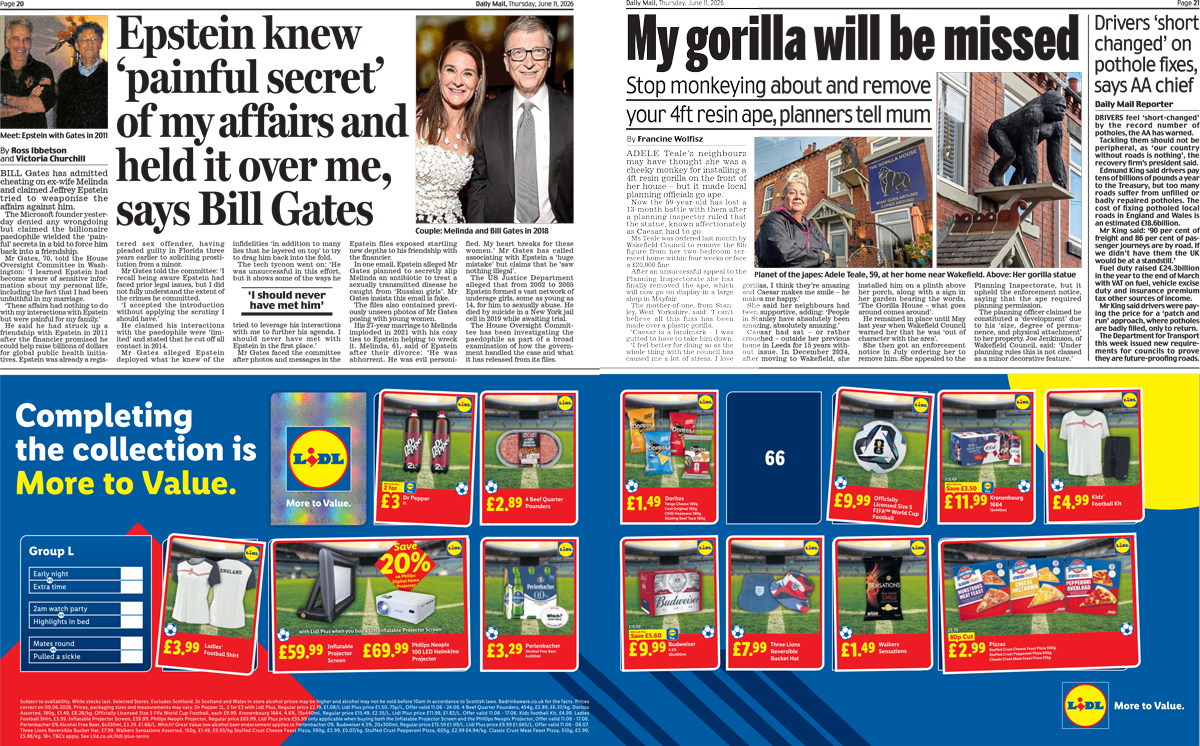
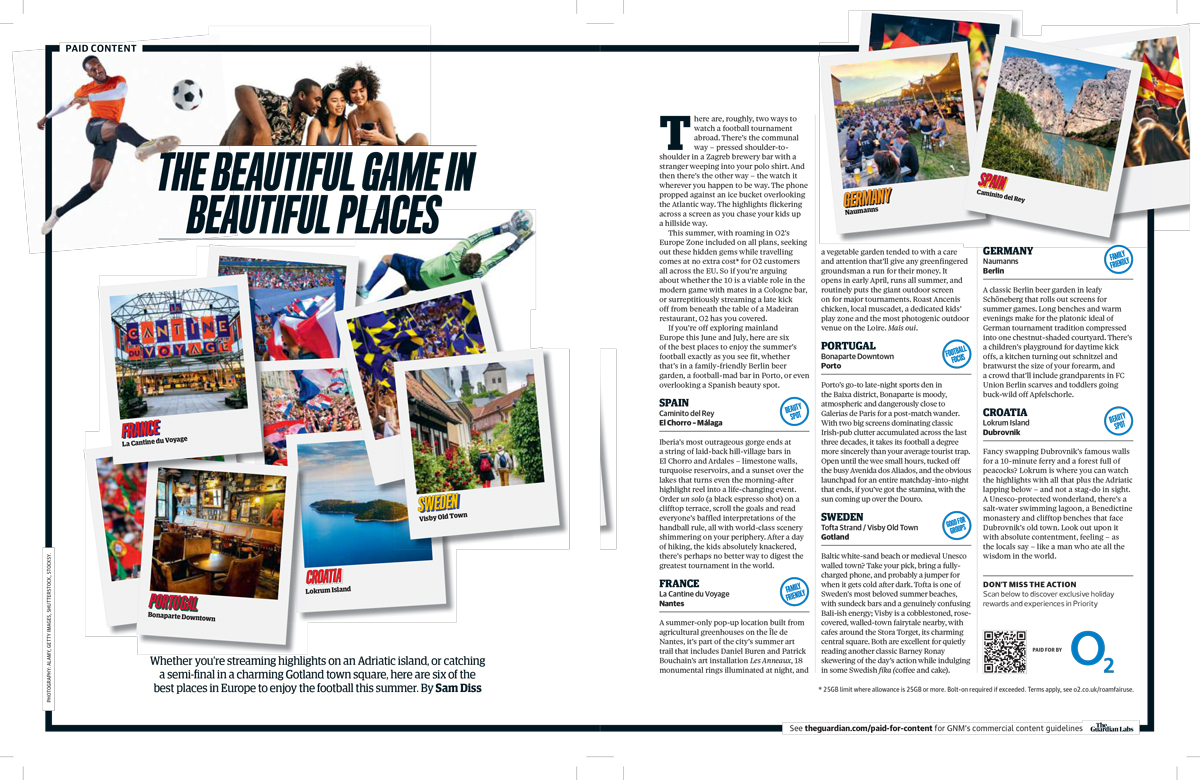
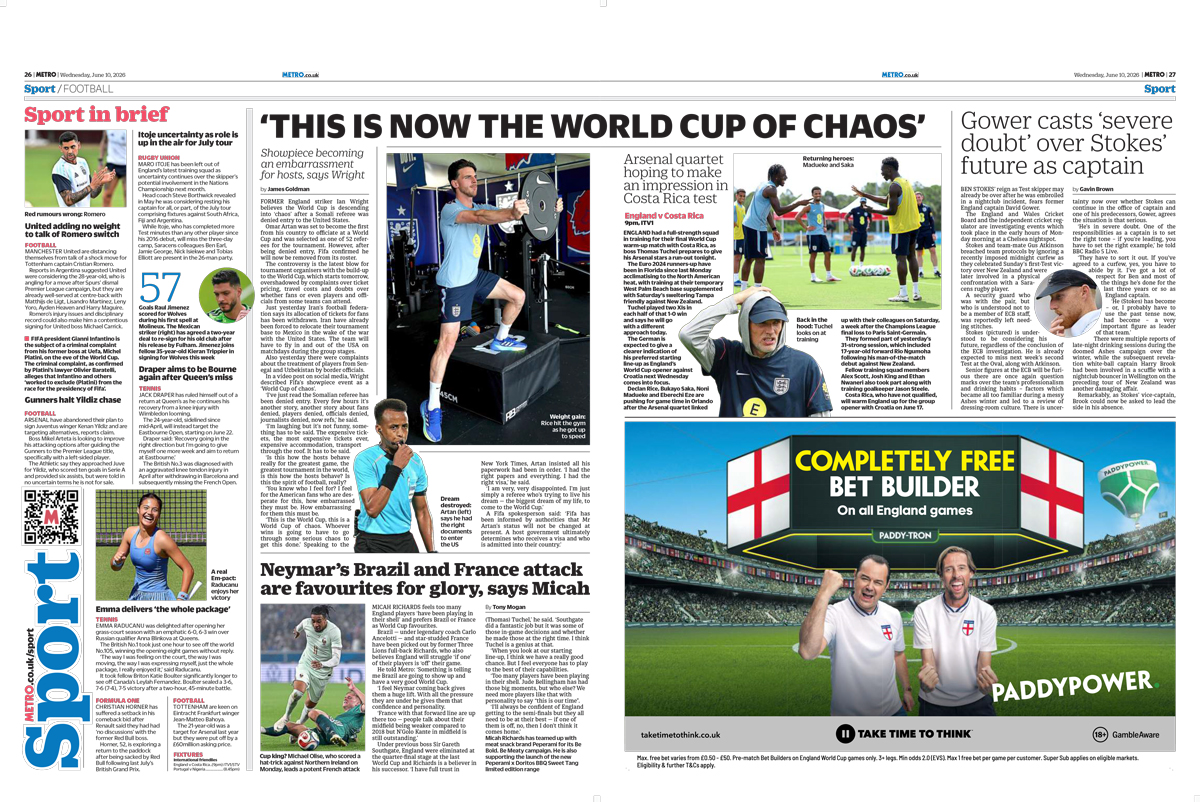
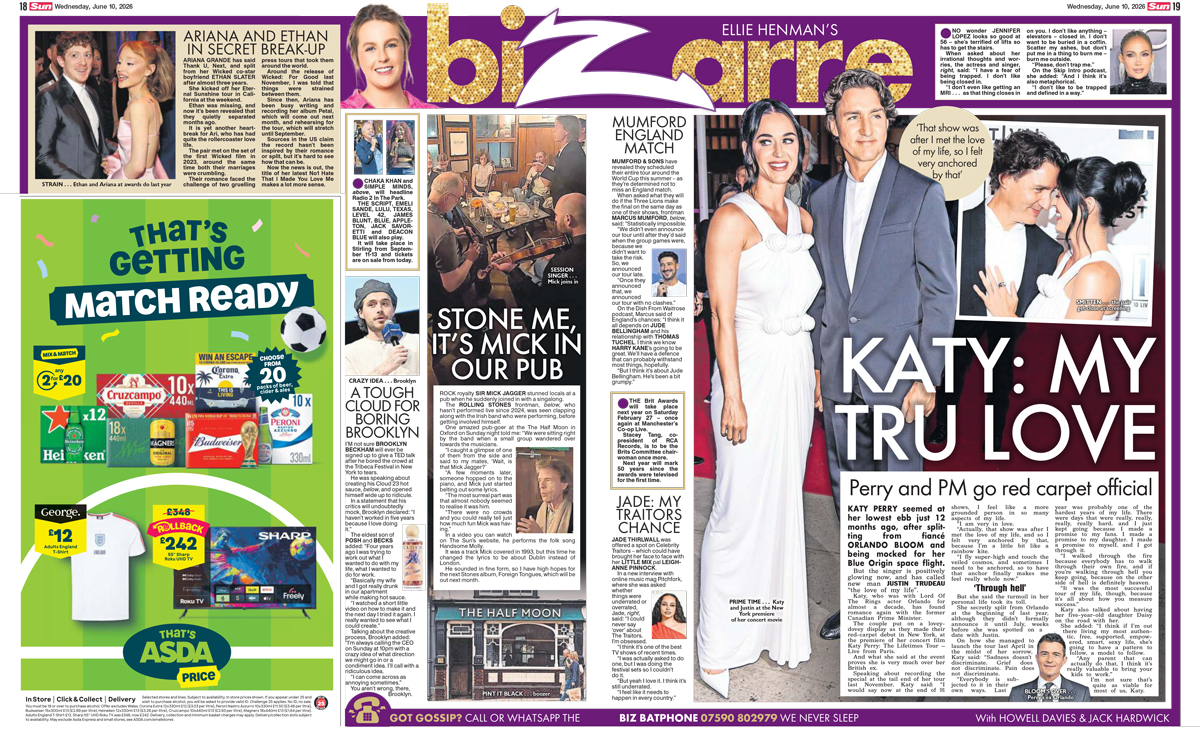
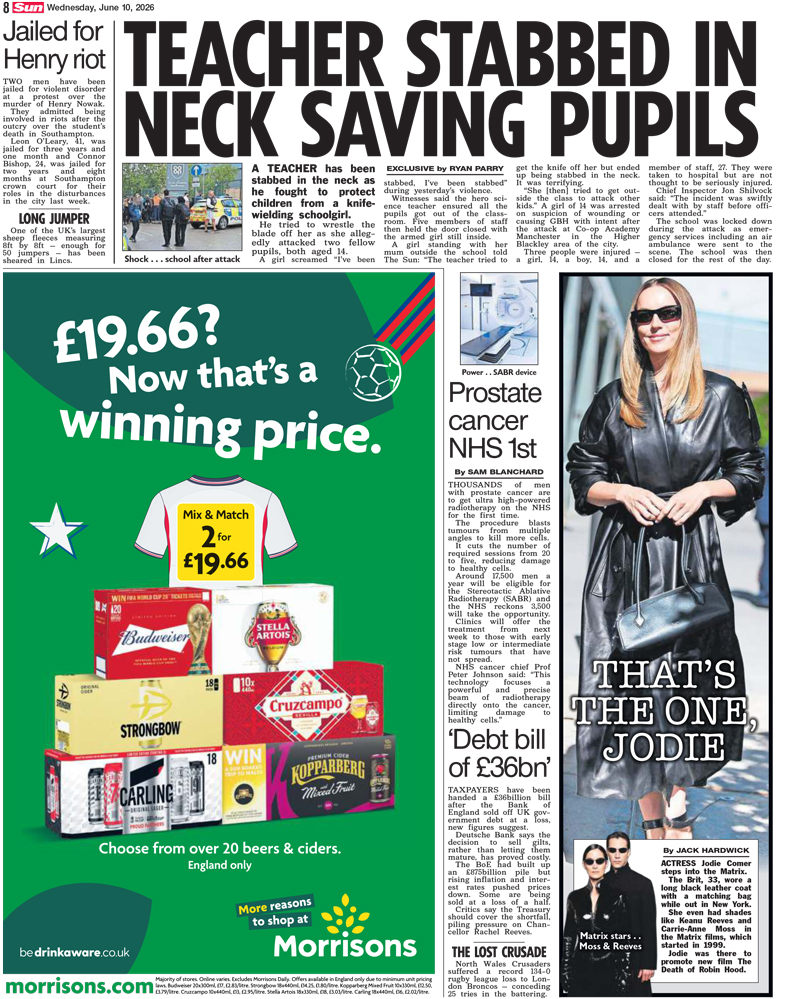
What’s next
England didn’t come home with the trophy — that honour was left to Spain, who defeated Argentina 1-0 in New Jersey to take the crown.
What they give us (apart from a bizarrely thrilling third-placed finish) was a summer that showed exactly what news brands can do. It’s trust that ties a long-form, half-time dressing-room read to a TikTok filmed mid-pint. When news brands add range — audio, social, video — they meet readers wherever they want to be met, without losing the credibility that gets them there in the first place. That combination, more than any single format, is what this tournament has proven. Roll on Euro 2028 — on home turf.