
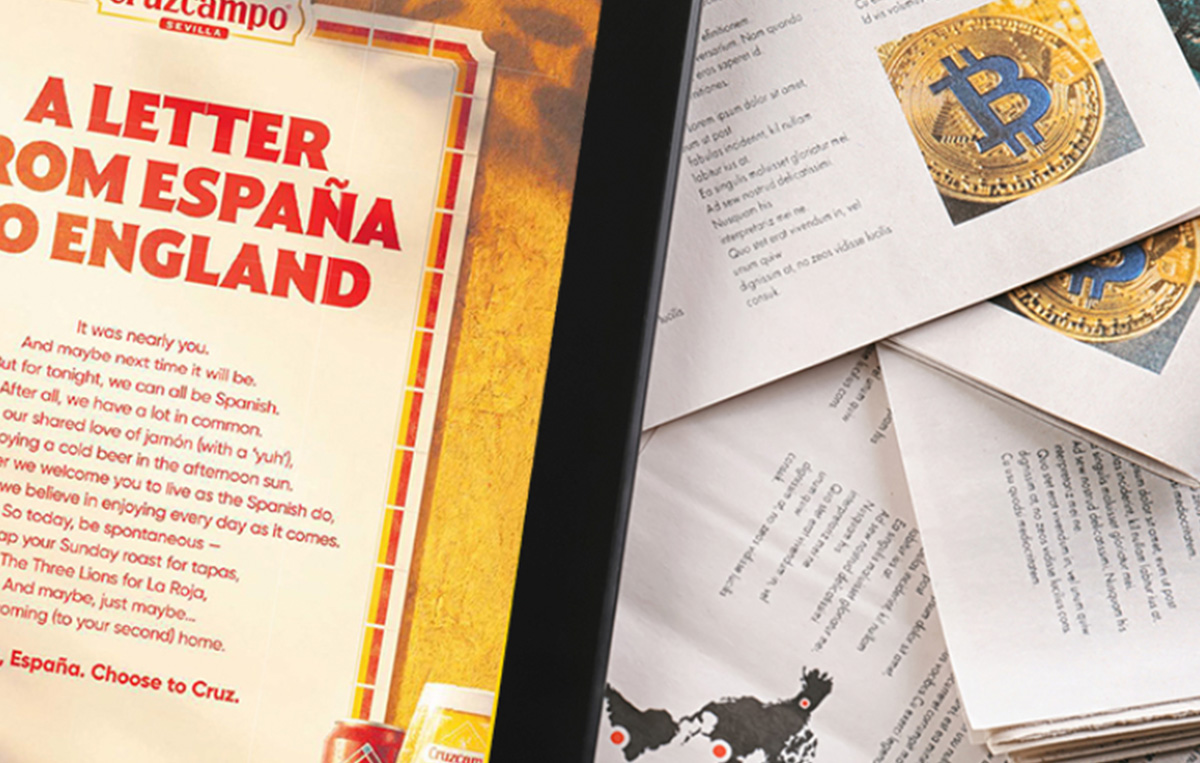
In his regular column for INMA, communications manager Lewis Boulton says what marketing strategies need to do well is be around culturally relevant content in culturally relevant media environments
The latest TikTok dance? Culture. Looksmaxxing influencers? Culture. Viral memes? Culture. (Jane Eyre? Still culture. I think.)
To give my admittedly granddad brain a kick up the backside, they’re right. Not only has social media democratised both access to and creation of culture, it’s also dispersed the routes into culture in a way not seen since the dawn of the wireless and moving pictures.
That’s naturally an opportunity and a conundrum for advertisers, as well as a question media owners can’t afford to ignore. So many places to find out about what’s getting the nation talking, and not enough ad money to be everything, everywhere, all at once.
What marketing strategies need to do well is be around culturally relevant content in culturally relevant media environments. Yet, for something that feels so intuitive, we realised there wasn’t even an accepted definition of what being culturally relevant even is. That meant there was work for us to do.
Our latest study, The cultural relevance effect, collated expert analysis and real consumer insight to define what constitutes cultural relevance. We found five key facets: authenticity, credibility, visibility, timeliness, and aspiration.
With those in mind, we then asked consumers to rank seven different media channels on each of these metrics. News brands were the only media to be consistently ranked in the top three for every single one of them alongside television.
We have reach, trust, and the sheer breadth of content. Most importantly, we have the effectiveness — as Newsworks’ prolific bank of studies demonstrates. Why do publishers need to think about their cultural relevance when talking to advertisers?
Read Lewis’s full INMA column on cultural relevance.